
1. The Ability to Express Emotions
The ability to express our emotions clearly and openly is one of the most important skills in relationships. When we express our emotions, we allow our partner to understand us better and respond to our needs more appropriately.
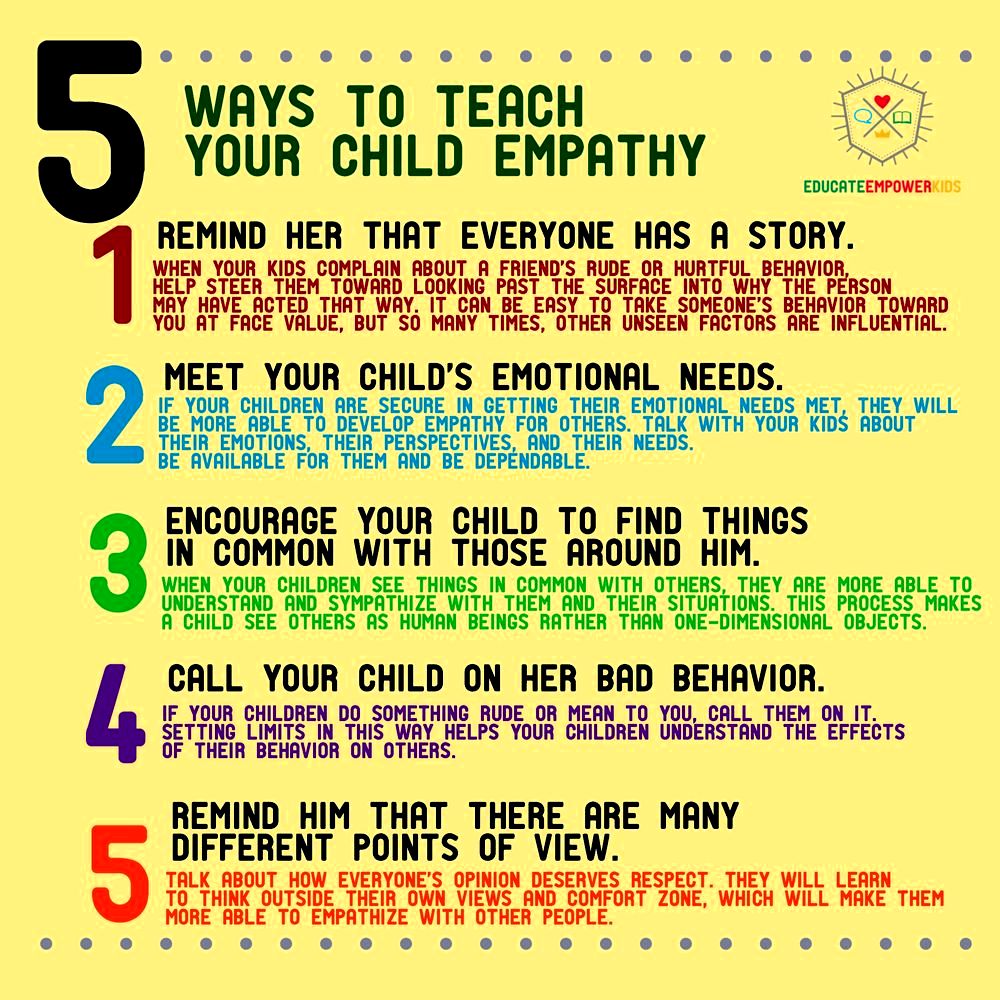
The ability to express emotions also includes the ability to understand and accept our partner’s emotions. When both sides can understand each other, healthy and supportive relationships can develop.
It is important to note that the ability to express emotions also requires the ability to deal with negative emotions and seek support when needed. When we express our negative emotions, we allow ourselves and our partner to overcome obstacles and grow together as a couple.
In conclusion, the ability to express emotions is a vital skill in building healthy and supportive relationships. When we express our emotions openly and honestly, we create a personal and genuine foundation for our shared connection with our partner.
2. Dealing with Emotions in Relationships
Dealing with emotions in a non-committed relationship is an important part of improving the relationship between partners. Emotions are essential and deeply influence the communication process and the bond between partners.
Emotions are the main driving force of behavior and also affect the intimate connection between partners. Significant importance should be given to understanding and managing emotions in relationships in order to improve communication and the relationships between partners.
Emotions are the common language of the heart
Amit Cohen – Psychotherapist
To deal with emotions in relationships, it is important to be open and honest with each other. It is important to understand that each partner can express their emotions and listen to the emotions of the other. This promotes understanding and the bond between partners.
Emotions are the common language of the heart
Amit Cohen – Psychotherapist
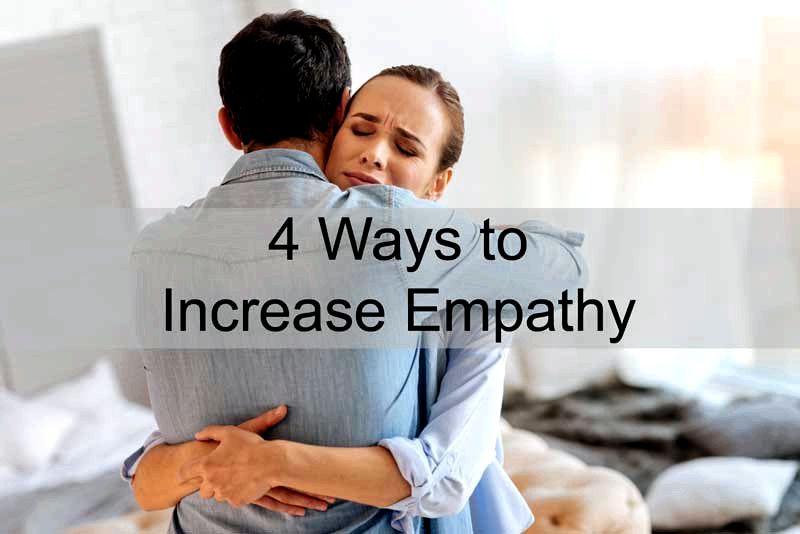

Dealing with emotions in a non-committed relationship can also involve a sense of security and a deep understanding of the partner’s emotions. This may lead to improvements in relationships and the creation of an intimate and genuine connection between partners.
3. Perception of Emotions and Communication in Relationships
The ability to perceive emotions and communicate in relationships is central to understanding and succeeding in them. Perceiving emotions allows us to understand the emotional state of our partners and to act accordingly. This leads to healthy communication and strengthens the bond between partners. When we communicate in relationships openly and honestly, we promote better understanding of our emotions and those of our partner, leading to a genuine and deep connection.
In the context of non-committed relationships, the perception of emotions is even more important. Since there is no committed bond between partners, the importance of communication and perception is crucial to maintaining healthy and focused relationships. When both sides can understand the emotions and needs of each other, there is a greater chance of relationship success even without commitment.
In conclusion, the perception of emotions and communication in relationships is a vital and essential foundation for creating a healthy and deep connection between both sides. In non-committed relationships, the role of emotions and communication is even more important to maintain relationships and promote progress in them. In the end, when open and honest communication is maintained, there is a greater chance of building strong and central relationships in our lives.
4. Understanding Emotions and Their Influence on Agreements
Understanding emotions is a very important part of a non-committed relationship. Emotions influence our behavior and decisions every day. When we understand our emotions and those of others, we can improve the communication between us and influence the agreements we create.
Emotions can positively or negatively influence agreements in a non-committed relationship. When we understand our emotions and those of our partners, we can conduct open and constructive discussions that help us reach mutual and acceptable agreements.
Often, negative emotions can hinder the process of reaching agreements in a non-committed relationship. When we understand negative emotions and deal with them in a focused and clear manner, we can overcome them and influence agreements more effectively.
In summary, understanding emotions and their influence on agreements are an important part of a non-committed relationship. We must be in a state of sensitivity and understanding towards our emotions and our relationship in order to create healthy relationships and positive agreements.
5. The Ability to Listen to Emotions in Relationships
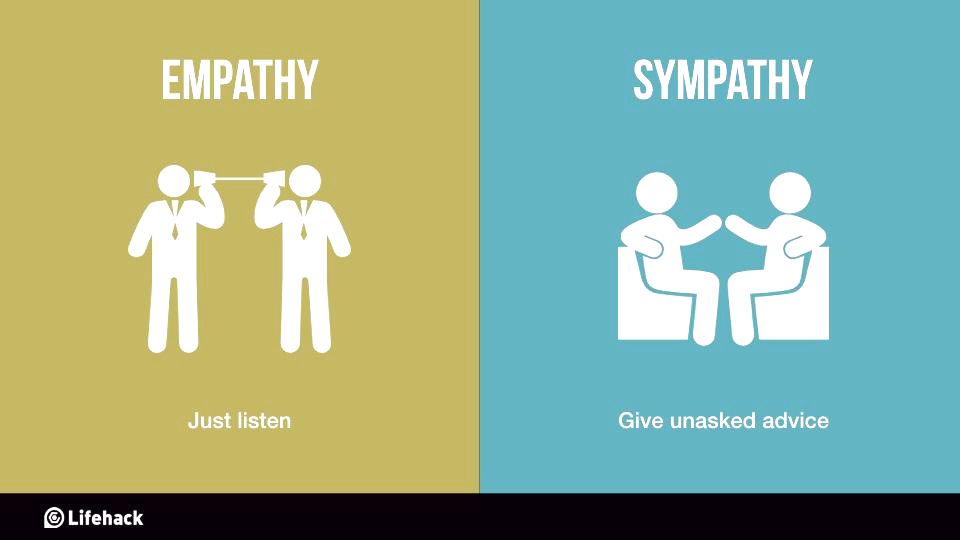
The ability to listen to the emotions of the partner in a relationship is very important for understanding and preserving them. When a person feels heard and supported in their emotions, they feel identified and understood. This ability is essential for building an intimate and healthy relationship between partners.
To listen to the partner empathetically and understand their emotions requires skill and perseverance. It also requires ignoring our personal biases that may affect how we receive the information the partner is conveying.
An important note is the process of contribution gaps, that is how we relate to the emotions of the partner and how we react to them. We must understand that emotions are alive and their causes can be different from ours, and not interpret them through our values and beliefs.
Ultimately, the ability to listen to emotions in relationships is central to building healthy and reassuring relationships for couples. This is a process that requires internal work and commitment to improving communication and the bond between partners.

Emotions are the common language of the heart
Amit Cohen – Psychotherapist