1. Understanding Communication Resistance
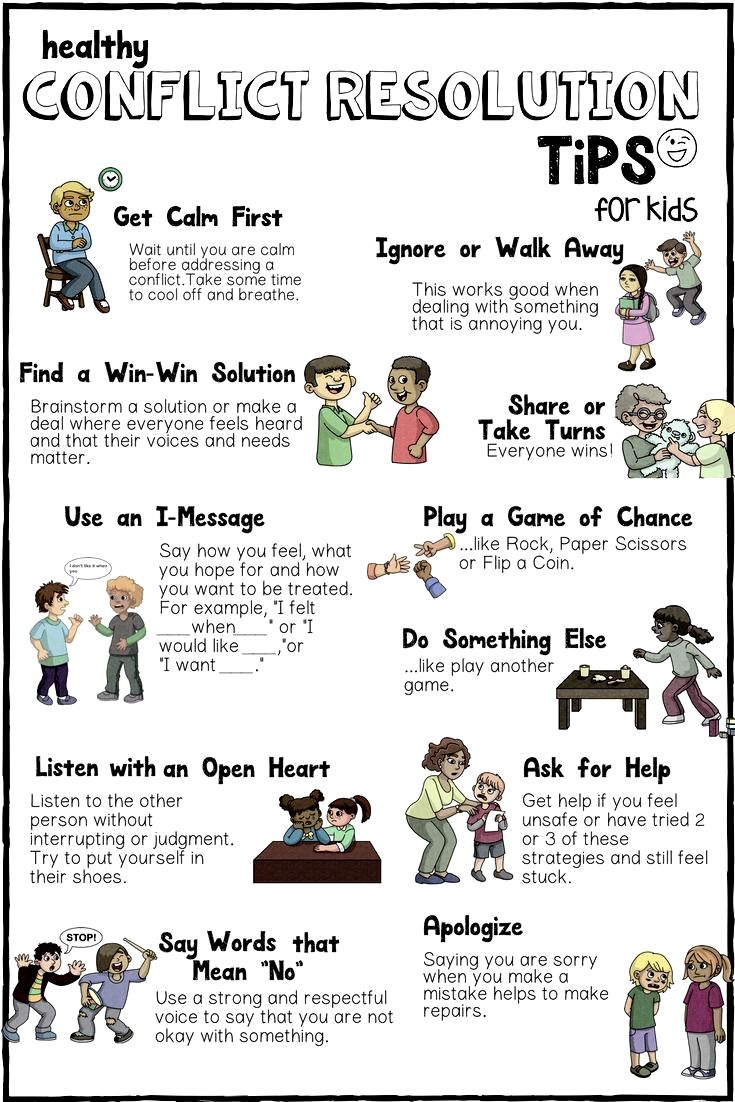
Communication resistances are an inseparable part of any relationship between people. When we talk about non-committed relationships, resistances can be a common phenomenon. Understanding resistances and knowing how to deal with them are important parts of building successful relationships.
In order to understand communication resistance, we need to focus on their essence and identify the factors that may cause them. Resistances can arise from feelings of insecurity, fear, lack of understanding, or discomfort. It is important to give great importance to understanding the background in which the resistance was created, and to formulate the right questions in order to resolve the conflict.
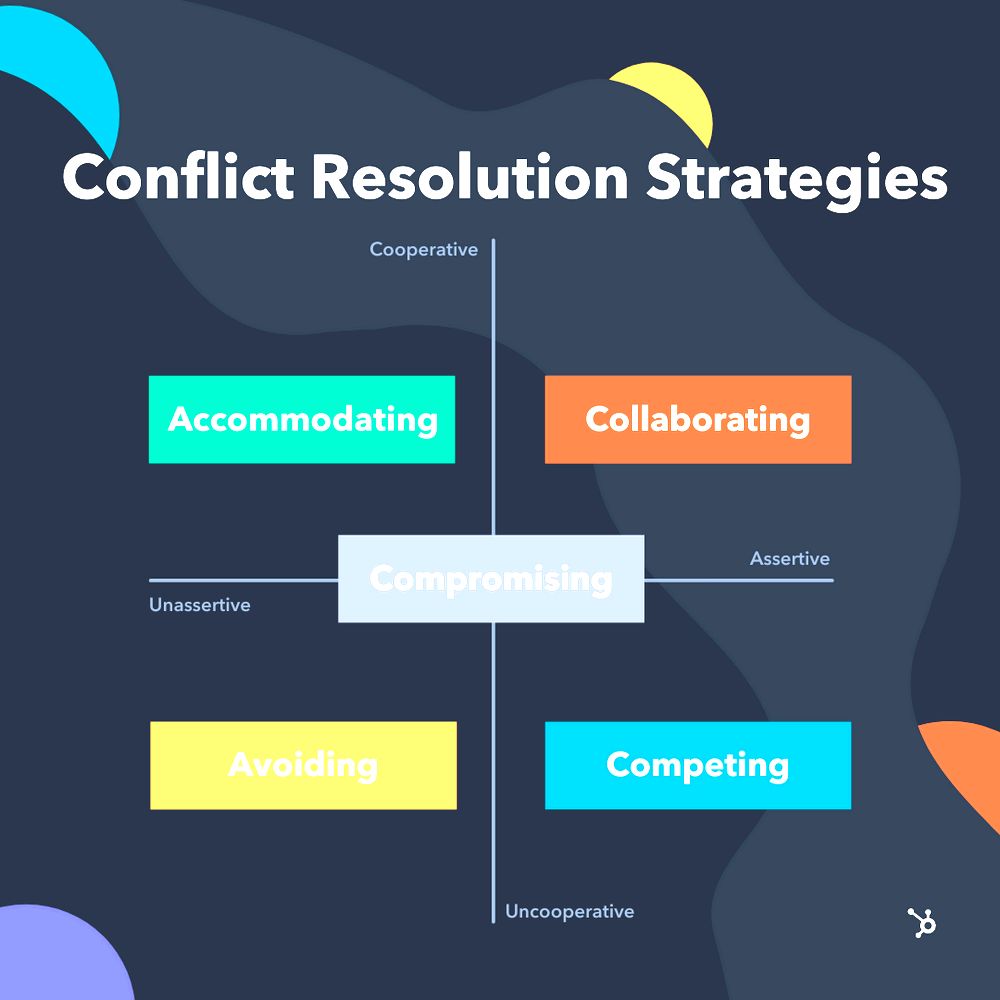
Solving communication resistances has great benefits in non-committed relationships. When we manage to understand the other side’s position, consider their feelings, and create a relationship based on respect and understanding, we can avoid conflicts and build healthy, strong relationships.
2. Techniques for Solving Resistance in Relationship Systems
Building healthy and positive relationship systems is not always wonderful. Frequently, resistances arise between the parties involved in a relationship, and when left untreated, they can harm the relationships. Fortunately, there are techniques that can be used to solve these resistances and improve self-awareness and communication in the relationship system.
Disagreement is an option for personal growth and development
Dudah Ben Gurion – Clinical Psychologist
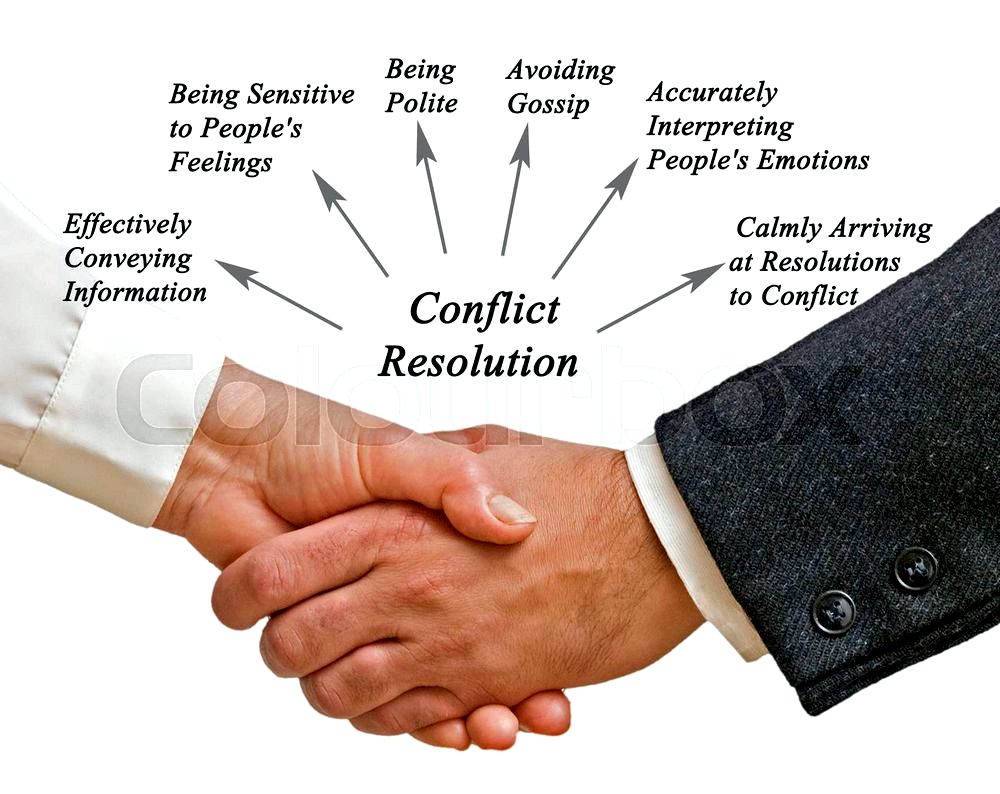
One of the popular techniques for solving resistances is active listening. This is a process in which a person carefully listens to their partner’s words, understands their feelings and needs, and tries to understand their perspective. Through active listening, stability and trust can be built between the parties and various types of resistances can be resolved.
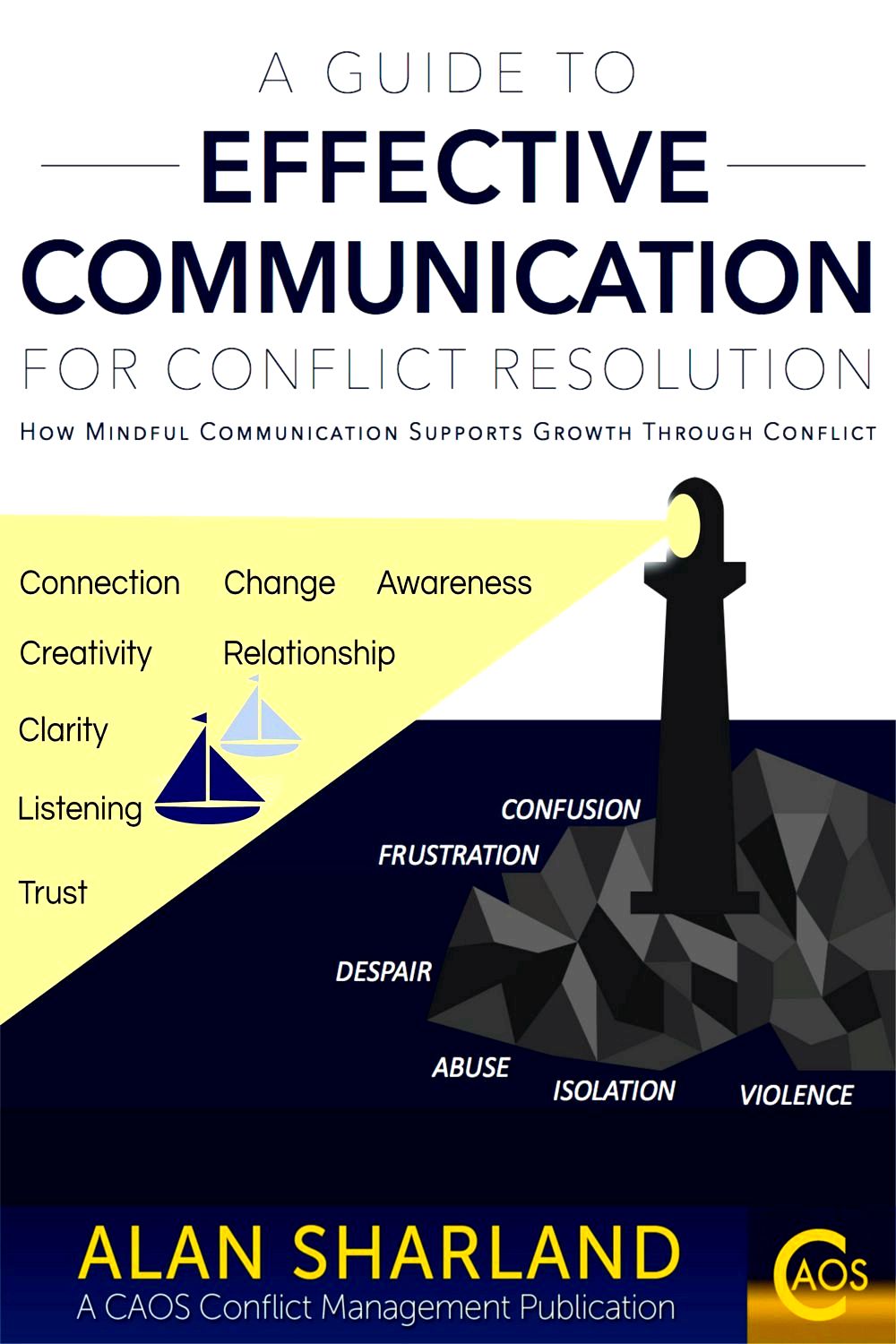
Another technique is creating a deep and genuine connection with the partner. By understanding the emotions and needs of the other person, and performing small and large actions that give them a sense of equality and appreciation, a climate of friendship and partnership can be created between the parties.
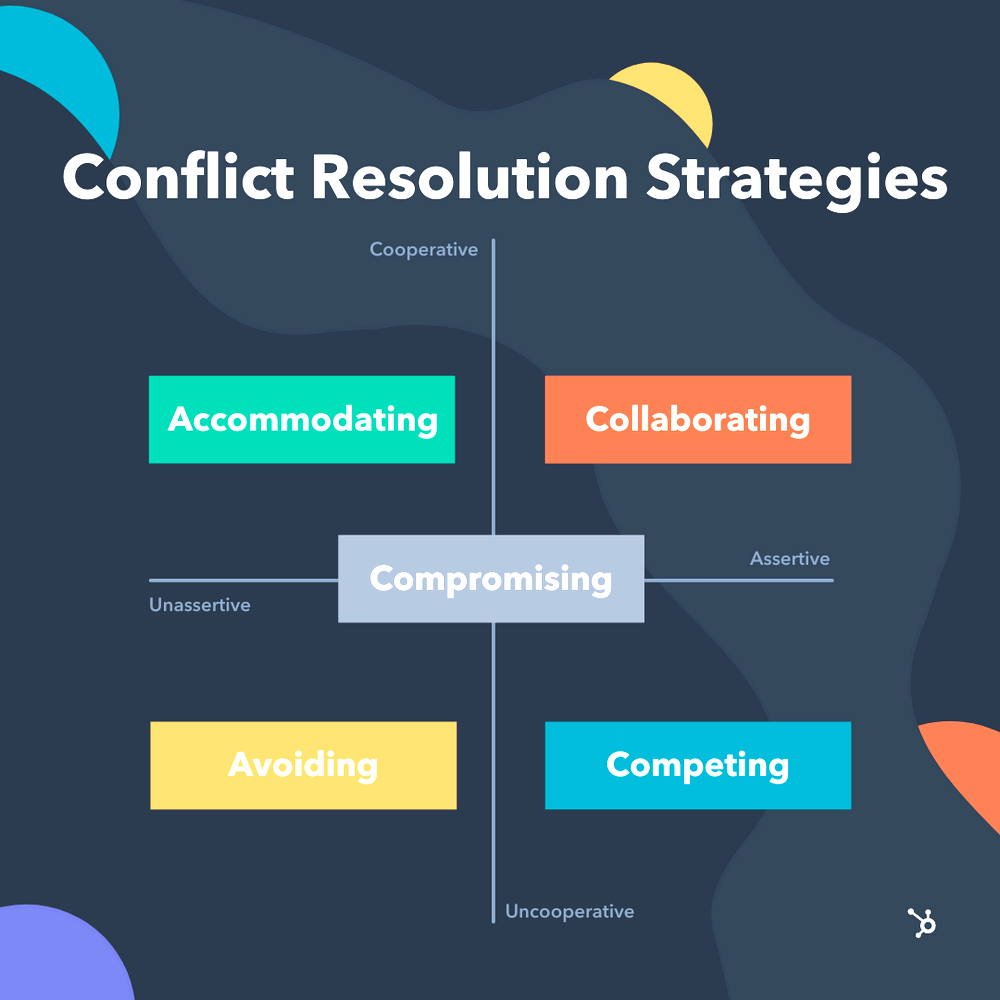
Sometimes conflict and agreement management techniques are also required. When resistances are part of a person’s values and personal perceptions, it is important to know how to manage conflicts constructively and reach agreements that enhance self-awareness and strengthen relationships in the system.
By using these techniques, self-awareness about resistances can be improved and implemented in the relationship system in an efficient and constructive way, creating strong and healthy bonds between the parties.
Disagreement is an option for personal growth and development
Dudah Ben Gurion – Clinical Psychologist
3. Creating Agreements Through Effective Communication
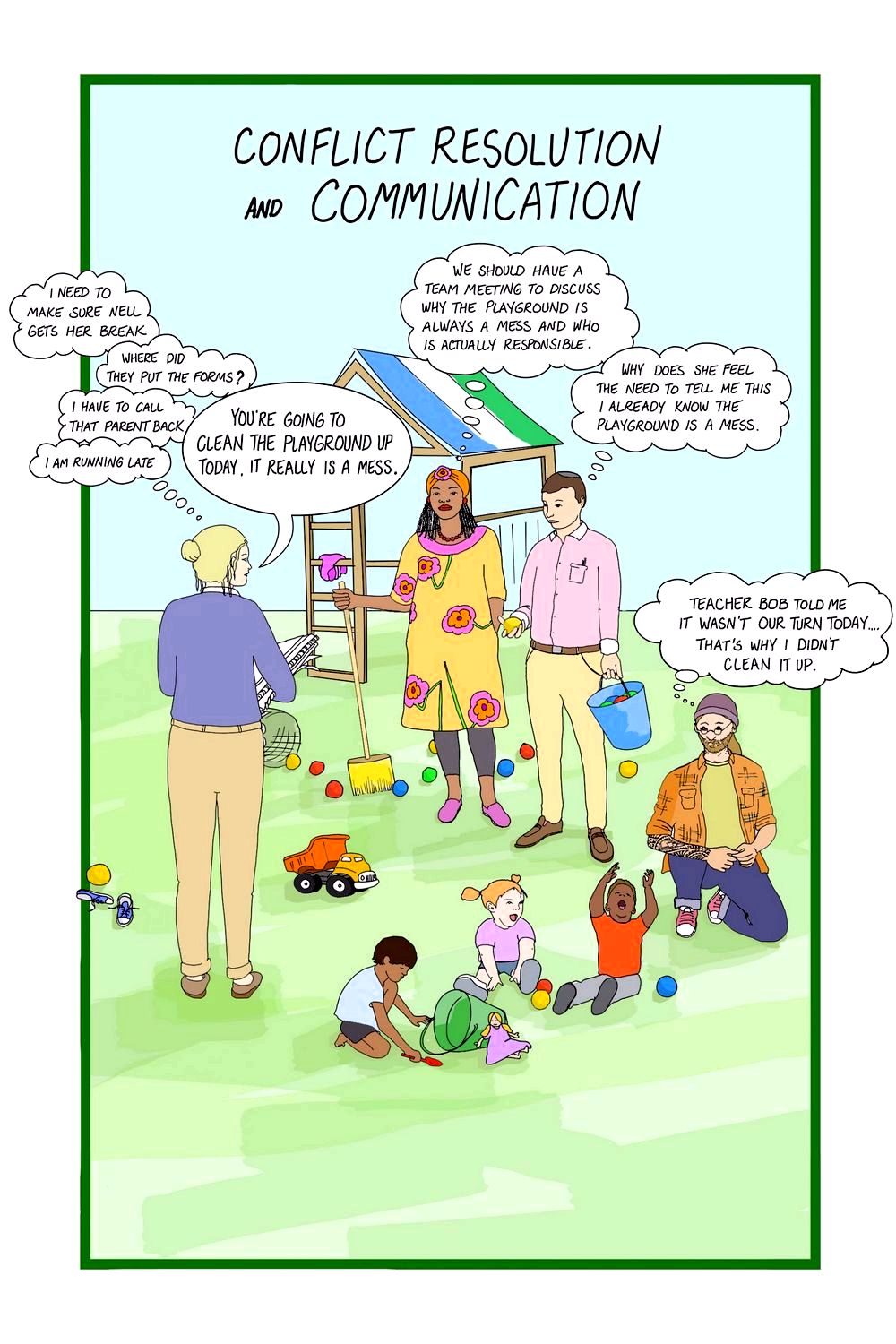
Building agreements and solving resistances in relationship systems requires special skills and the ability for effective communication. Effective communication is the key to creating agreements between conflicting parties. Effective communication may include the ability to listen attentively, express opinions clearly and openly, and be open to understanding different perspectives.
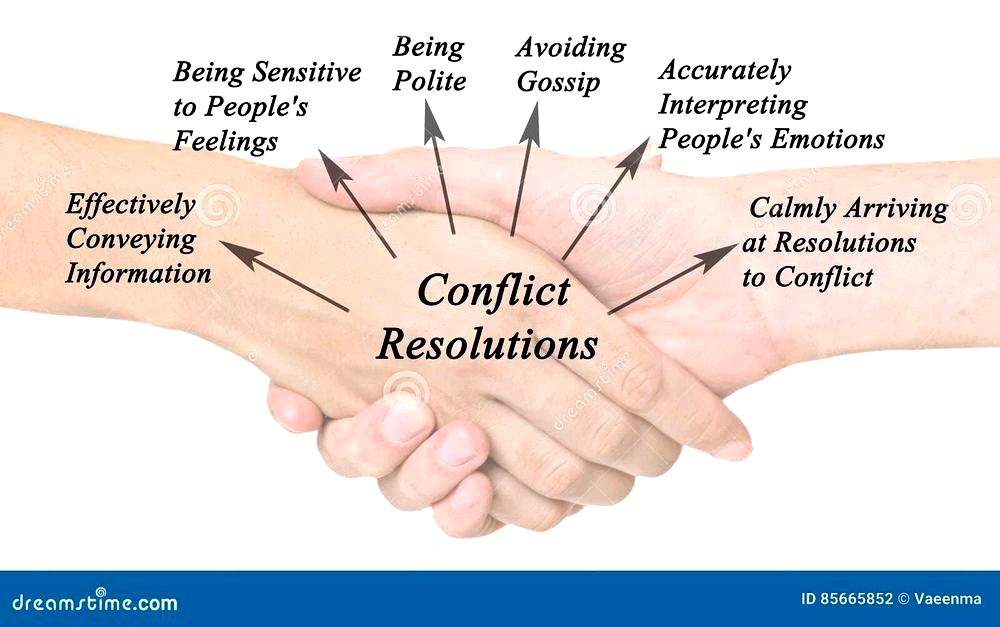
In order to create agreements through effective communication, it is important to focus on creating a positive relationship and ensuring a sense of security between the parties. When the parties feel determined and lead the communication process, there is a greater chance of reaching mutual agreement and resolving conflicts.
In addition, it is important to invest effort in understanding the needs of the conflicting parties and finding points of intersection between them. In order to create agreements efficiently, we need to be creative and seek innovative solutions that suit the needs and desires of all parties.
In conclusion, creating agreements through effective communication is a complex yet challenging process that can lead to stable solutions and improvement in relationships between the parties. We must be determined and responsible in this process and act cooperatively and constructively to achieve agreement and peace in our relationships.
Disagreement is an option for personal growth and development
Dudah Ben Gurion – Clinical Psychologist
4. Solutions for Dealing with Resistances in Building Relationships
Resistances in building relationships are a natural part of the connection process between people. When dealing with resistances in relationships, it is important to remember that there are solutions that can help us cope in a positive and constructive manner. When we respond positively to resistances, we advance our ability to promote our relationships and achieve success in them.
One of the key solutions for dealing with resistances in building relationships is to actively listen to the opinions and emotions of the other party. When we understand and accept the perspectives of both parties, we can start to build relationships based on security and trust.
Another solution is to clearly understand and identify the sources of resistances. When we understand the reasons for resistance, we can act accordingly and seek effective solutions for all parties.
Equally important is to be open to change and adaptation. When we are willing to change and accept the necessary changes to solve resistances, we can bring our relationships to a new level of transparency and trust.
In summary, solutions for dealing with resistances in building relationships require our ability to consider the opinions and emotions of both parties, identify the sources of resistances, and be open to change. When we integrate this approach, we advance our ability to build healthy relationships and promote success in them.
5. Positive Outcomes Achievable Through Solving Resistances in Relationship Systems
Solving resistances in relationship systems can lead to many significant and positive outcomes. When we successfully resolve resistances in our relationships, we can experience significant improvements in the quality of our relationships and satisfaction in our partnerships. Here are some positive outcomes that can be achieved through solving resistances in relationship systems:
- Improvement in communication and enrichment in relationships
- Strengthening trust and connection between partners
- Effective handling of conflicts and disputes
- Improvement in performance and success in professional and personal relationships
- Reduction in stress levels and tension in relationships
By solving resistances in relationship systems, it is possible to create relationships based on better understanding and proper behavior, which can lead to deep and impressive improvements in our personal and partnership lives. Each one of us can enjoy the benefits of healthy and supportive relationships and create sweet and fulfilling lives with our partners.