
The Difference Between Polygamy and Polyamory
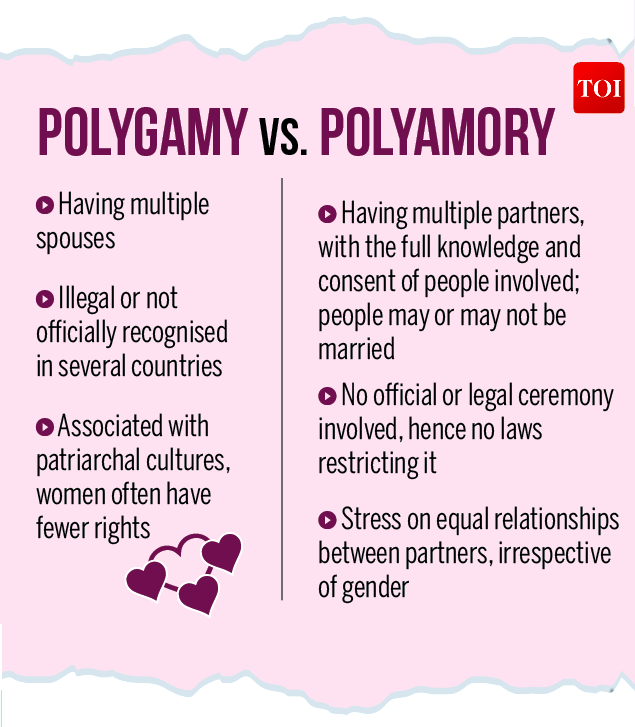
Polygamy and polyamory are two distinct perceptions of non-committal relationships, but there are significant differences between them. Polygamy is a relationship system where one man marries more than one woman simultaneously, while polyamory is a relationship system where all parties agree to have romantic or sexual relationships with more than one person simultaneously.

In polygamy, each woman is married to only one man and often has children with him. The relationship between the man and his wives may be limited to formal marriages within a religious or social framework. In polyamory, all parties can be in romantic relationships with multiple people simultaneously, and often they also have other romantic relationships outside the primary relationship.
Changes in the approach to relationships in cultures with a difficult heritage require deep reflection.
Miriam Cohen – Anthropologist
In polygamy, the man is considered the head of the family and therefore has the authority to approve the marriage of another woman. In polyamory, all parties make their personal decisions regarding their relationships, without needing approval from the other parties.
Ultimately, the main difference between polygamy and polyamory is the fact that in polygamy there is a agreed and limited connection between the man and his wives, while in polyamory all parties enjoy complete freedom to engage with whomever they choose, without restrictions or conditions.
The Advantages and Disadvantages of Polygamy
Polygamy is a relationship structure where a married person can establish relationships with more than one woman. Different cultures around the world deal with this topic, each treating polygamy in a different way. The advantages of polygamy include the ability to reflect the desires and needs of all parties, bring peace and stability to the family, and expand the list of supporters and helpers for each of the spouses.


On the other hand, the disadvantages of polygamy include the financial, emotional, and social challenges that arise from multiple relationships. The advantages and disadvantages of polygamy need to be carefully considered, and the balance between the pros and cons should be assessed before making a decision to establish a multiple relationship system.
The Advantages and Disadvantages of Polyamory
Polyamory is a relationship culture where a person can have romantic or sexual relationships with more than one person simultaneously. Although it appears as an innovative model of relationships, it exists in various cultures and historical periods.
Among the advantages of polyamory are the ability to develop deep and genuine relationships with multiple people, which can enhance all serious relationships and deepen the romantic connection. In addition, polyamory can reduce the pressure and jealousy that typically arise in average relationships.
However, there are also disadvantages to polyamory. When there are more than two individuals in a relationship, conflicts and competition may arise, leading to problems in the relationships. Additionally, polyamory can be more challenging for regular relationships and require much more time and emotional management than in a monogamous relationship.
Ultimately, the decision to live in polyamory is difficult and requires careful attention to the needs of each member of the relationship. Each individual and each relationship are unique, and it is important to understand the needs and feelings of each party with caution and respect.
Changes in the approach to relationships in cultures with a difficult heritage require deep reflection.
Miriam Cohen – Anthropologist
The Influence of Polygamy and Polyamory on Personal and Social Relationships
Polygamy and polyamory are two cultures based on the idea of having multiple relationships with more than one person. In the Western world, most societies view such relationships negatively and even consider them illegal. However, in some cultures and religions, polygamy and polyamory are accepted positively and considered an integral part of daily life.


The influence of polygamy and polyamory on personal and social relationships can be significant. In polygamous relationships, each of the women in the relationship system may experience feelings of jealousy, competitiveness, and loneliness. On the other hand, the benefits of polygamy and polyamory may include spiritual and social support from multiple sources, workload and time sharing, and the ability to deal with economic and educational challenges more efficiently.
In addition, polygamous and polyamorous relationship systems may impact society as a whole. Cultures that accept and maintain multiple relationships may create more unified and cohesive communities, thus creating a unique social and cultural environment.

In summary, polygamy and polyamory are cultures based on the idea of multiple relationships and represent different cultures around the world. Their influence on personal and social relationships can be diverse and create positive or negative changes in culture and society together.
Can Polygamy and Polyamory Be Part of Modern Social Existence?
Modernism is an era where freedom and equality are sought in relationship systems, including in love and relationships. Polygamy and polyamory are two relationship patterns that encourage multiple and open relationships, and they may be part of modern social existence for those seeking new and advanced options in this field.
Polygamy is a relationship system where women or men commit to more than one person simultaneously. In a number of cultures and religions, polygamy is part of tradition and culture, and it has social and religious value. On the other hand, polyamory is a culture where romantic and sexual relationships can be maintained with more than one person simultaneously.

Can polygamy and polyamory exist within the modern social framework? It depends on the culture, worldviews, and personal values of the people involved. There is a wide audience of young men and women looking for new and advanced options in relationships, so polygamy and polyamory could be interesting options for them.
Ultimately, every man and woman can choose how they want to live their personal and loving lives. Polygamy and polyamory offer freedom, prosperity, and equality in relationships, and therefore they may be accepted as part of modern social existence in the world we live in today.
Changes in the approach to relationships in cultures with a difficult heritage require deep reflection.
Miriam Cohen – Anthropologist