

The Influence of Culture on Open Relationships
Culture plays an important role in our lives and influences our relationships. It sets social and cultural norms that affect human relationships. Different cultures can create different approaches to open relationships and freedom of choice.
In cultures where high commitment to a specific relationship system is required, open relationships and freedom of choice may be less common. This is because culture encourages monogamy and childbearing, making it difficult to access open relationships.
On the other hand, in cultures that value freedom and independence, more open relationships and freedom of choice can be found. Culture promotes ideas of equality and personal respect, leading to more flexibility and options for different types of relationships.
In non-committed relationship systems, truth is the key to a real and deep connection.
Rachel Gal – Therapy for Children and Adults
Every culture brings values and customs that are associated with human relationships. Open relationships and freedom of choice are a social phenomenon that occurs against the backdrop of the culture and tradition of the place where we live.
Therefore, it is important to understand the influence of culture on open relationships and to be open to change and adaptation to the cultural reality in which we live. In doing so, we can create healthy and successful relationships among people and experience relationships that will make us happy and fulfilled.
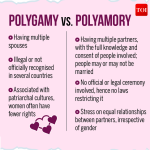
Ethics and Values in Polygamous Relationships
In the modern era, polygamous relationships are a common and accepted option for many. Modern culture encourages open and diverse thinking on relationship issues, including polygamy. Therefore, when choosing to cultivate a polygamous relationship, attention should be paid to the values and ethics that guide these relationships.
When it comes to polygamous relationships, it is important to understand that each side in the relationship needs to receive the respect and attention they deserve. Each individual in this relationship system needs to feel involved and meaningful, so it is important to respect and appreciate all sides equally.

The ethics in polygamous relationships also include respect for the relationship and mutual trust among all parties. It is important to build healthy and courageous relationships where all parties feel safe and supported. This is the foundation of the ethics that define relationships in a polygamous system.

Additionally, values such as honesty, openness, and respect are important in polygamous relationships. All parties need to be honest and open with each other, and to behave with respect and honesty towards all individuals in the relationship system.
In conclusion, polygamous relationships require us to treat each other with respect, ethics, and values. Only by maintaining these values can we build healthy and sweet relationships in a polygamous system.
Restrictions and Boundaries in Polyamorous Relationships
In polyamorous relationships, there are restrictions and boundaries that are important to understand and recognize in order to maintain healthy and fulfilling relationships. When monogamy extends to a polyamorous relationship system, it is important to clearly define the framework and rules by which these relationships are conducted.
Restrictions may include visiting times, contact with another relationship, modesty laws, as well as agreement on the issue of security and time flexibility. Understanding the personal boundaries of each individual in the relationship and responding to them may serve as a motivation for the success of polyamorous relationships.
In non-committed relationship systems, truth is the key to a real and deep connection.
Rachel Gal – Therapy for Children and Adults
One of the most important aspects of polyamorous relationships is maintaining open and honest communication among all parties. Shared knowledge and agreement on restrictions and boundaries provide stability to relationships and promote mutual understanding and respect.
Another component of restrictions and boundaries in polyamorous relationships is how these relationships affect the private and professional lives of each of the couples. Great importance is given to coordinating the time of polyamorous relationships with work, child rearing, and community life.

In conclusion, restrictions and boundaries in polyamorous relationships are an important part of the central framework of relationships. They limit time, space, and behavior of the couple and promote coordination and mutual understanding between the parties.
Challenges and Benefits of Polygamy and Polyamory Relationships
Polygamous and polyamorous relationships pose a challenge and an opportunity simultaneously. Finding love and passion in these relationships can provide a sense of emotional richness and a fulfilling experience. However, there are significant challenges in polygamous and polyamorous relationships that are difficult to overcome.
One of the key challenges is acquiring the ability to manage feelings of jealousy and threat. When there are multiple relationships in life, feelings of jealousy and fear of losing love or passion may arise. Managing these emotions requires self-awareness and support from the partners involved.
Moreover, polygamous and polyamorous relationships may lead to communication challenges. Open and honest communication among all parties is essential for understanding the desires and needs of everyone involved. The importance of open communication lies in numerous benefits, particularly in creating a sense of trust and belonging.

The benefits of polygamy and polyamory relationships include the ability to adapt and constantly adjust to new situations. The ability to cope with changes and overcome difficulties can be a significant advantage in such relationships.
In conclusion, polygamous and polyamorous relationships may be challenging, but they also offer unique opportunities for a fascinating and diverse life experience.
Comparison Between Open Relationships and Traditional Monogamy
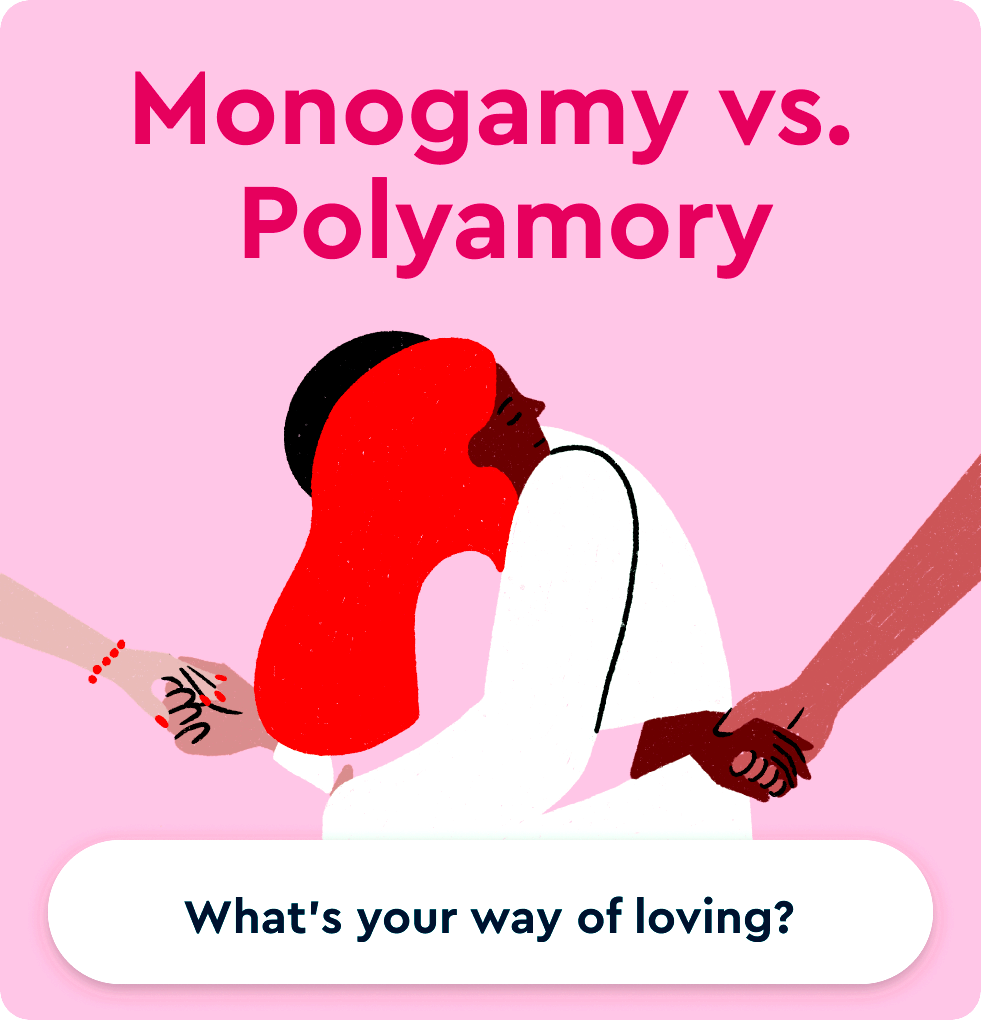
Open relationships and traditional monogamy are two models of different relationship systems based on different issues of freedom and commitment. In today’s world, there are people who prefer traditional lifestyles, and there are those who prefer to live in a more open and free manner.
In non-committed relationship systems, truth is the key to a real and deep connection.
Rachel Gal – Therapy for Children and Adults
In open relationships, people are in romantic relationships but have the freedom to be emotional with others. They can prioritize a number of partners and maintain physical and emotional relationships with others within a framework of respect and honor. Open relationships allow people to develop deep relationships with more than one person and feel free and accepted.
In contrast, in traditional monogamous relationships, people are in a structured relationship based on loyalty and commitment to the relationship alone. They commit to being faithful to each other, dedicate all their time and efforts to building the relationship, and maintain the relationship in an unquestionable manner.
The choice between open relationships and traditional monogamy is critical and personal and depends on the values and personal needs of each individual. It is important to remember that there is no right or wrong way to live in relationships, and the importance is to find the most suitable way for you and your relationship.