

1. Differentiation between Polygamy and Polyamory
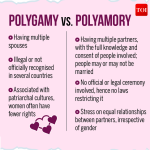
Polygamy and polyamory are two terms related to the modern world of relationships. However, they express a distinction based on their fundamental differences. Polygamy is a form of relationship in which one person is married to more than one woman simultaneously. In contrast, polyamory is a form of relationship in which all parties agree to have romantic or affectionate relationships with more than one person simultaneously, without the obligation of exclusivity.
The main difference between the two is the concept of commitment. In polygamy, it often exists between the man and the women he is married to, and he has clear roles and responsibilities towards them. In polyamory, commitment is measured differently – it is expressed in the ability of all parties to engage in romantic relationships with more than one person according to their desires and needs.
In order to understand the differences between the two, it is important to pay attention to key parameters such as values, needs, and hopes of each side, and the ability of each side to give and receive love and support in a manner that suits them. Additionally, it is important to distinguish between polygamy and polyamory in order to understand which forms of relationships are good and healthy for all parties involved.
2. Advantages and Disadvantages of Polygamous Relationships
Polygamous relationships are a form of existence in which a married individual coexists with more than one woman. Over the years, polygamous relationships were popular in various cultures around the world, but today they are considered challenging and not always socially accepted.
Meanwhile, polygamous relationships come with their advantages and disadvantages. Polygamous relationships can bring advantages such as the ability to develop emotional connections with more than one person, a broader sense of community, and social support to provide understanding and support.
However, polygamous relationships can also come with disadvantages such as jealousy, insecurities, and conflicts among partners. Managing a polygamous relationship requires coordination, communication, and the ability to deal with negative emotions in order to maintain healthy and sustainable relationships.

In conclusion, polygamous relationships are a personal choice that suits each couple differently. To fully understand the advantages and disadvantages of polygamous relationships, it is important to consider the desires, values, and personal needs of each partner and create a solution that reflects their common needs.
3. How to Deal with Jealousy in Polygamous Relationships
Jealousy is a natural emotion that can arise in all types of relationships, especially in polygamous relationships. Dealing with feelings of jealousy can be challenging, but with proper techniques and mindfulness, it is possible to address these feelings in a healthy and constructive manner.
Not every relationship needs to end in divorce, there are also stable ways to end a relationship
Einat Levi – Couples Psychologist

Here are some tips for dealing with feelings of jealousy in polygamous relationships:
- Understanding and appreciating jealousy feelings – It is important to understand and appreciate your feelings of jealousy, and understand where they develop from and what their sources are.
- Open and honest communication – Having an open and honest conversation about feelings of jealousy may help you understand them and work on them together with your partners.
- Building self-confidence – Understanding that feelings of jealousy do not imply personal insecurity. Strengthening self-confidence may help in dealing with feelings of jealousy.
- Focusing on the relationships themselves – Instead of focusing on who is next to you or who is not, it is better to focus on the relationships themselves and their quality.
At the end of the day, it is important to remember that feelings of jealousy are a natural part of life and relationships, and dealing with these feelings in a healthy way may improve your relationships and help them develop and strengthen.


4. Creative Ideas for Improving Communication in Polygamous Relationships
1. Listen with respect: It is important to understand and accept all the needs and feelings of all parties in the relationships. This can include listening to the emotional, physical, and rational needs of each individual.
2. Recognize and understand boundaries: It is important to clearly define the boundaries of the relationships and understand how complex they are and how modern these limitations can be.
Not every relationship needs to end in divorce, there are also stable ways to end a relationship
Einat Levi – Couples Psychologist
3. Collaborate honestly: Open and honest communication is a basic component in polygamous relationships. It is important to be honest about emotions, needs, and plans.
4. Appreciate and respect: It is important to appreciate and respect all parties in the relationships. Each individual can contribute to the relationships in a unique way, and it is important to recognize and acknowledge that.
5. Promote a sense of security: A sense of security is very important in polygamous relationships. It is important to create a safe and pleasant environment in which everyone feels comfortable and safe to express their feelings.
5. Effectiveness of Integrating Polyamory and Polygamy in Relationships
There are differences in the types of relationships that exist between polyamory and polygamy. In polyamorous systems, many individuals can engage in romantic or sexual relationships with more than one person simultaneously, while in polygamous systems, a couple is constantly involved with more than one person, but with the prior consent of all parties.
Integrating between the two systems may lead to more complex and interesting relationships, allowing much flexibility and the ability to tailor relationships to the needs of the involved parties. Such relationships may be more challenging, but at the same time can be more fascinating and refreshing than traditional relationships.
Integrating polyamory and polygamy may lead to an improvement in the quality of relationships and the level of communication between the parties, as the flexibility and openness of both systems may encourage open and honest dialogue among the involved parties.
In conclusion, it is important to remember that every type of relationship, whether polyamorous, polygamous, or any other type of non-committal relationship, requires open communication, respect, and honesty to succeed and be satisfying for all parties involved.


6. How to Create Balance Among All Parties in Polygamous Relationships
When it comes to polygamous relationships, it is important to create balance among all parties in order to maintain a healthy and professional relationship. Here are some creative ideas for creating balance in polygamous relationships:
1. Understanding and respect: It is important to understand and respect the feelings of all parties in the relationships. Open and honest dialogue can help create a genuine and deep connection among them.
2. Transparency and honesty: It is important to be transparent and honest with all parties and not to hide information or emotions. This will promote trust and communication among all parties.
3. Clear boundaries: It is important to set clear boundaries among all parties and not to deviate from them. This will help prevent conflicts and distortions in relationships.
4. Support and understanding: It is important to be supportive and understanding of all parties in polygamous relationships. This support can strengthen relationships and create balance among all parties.
5. Stable solutions: It is important to seek stable and value-based solutions to problems that may arise in polygamous relationships. This will help maintain a strong and healthy relationship among all parties.
Not every relationship needs to end in divorce, there are also stable ways to end a relationship
Einat Levi – Couples Psychologist
By creating balance among all parties in polygamous relationships, it is possible to maintain a healthy and professional relationship among all involved. This will help create a fertile and encouraging environment for cooperation and success in relationships.