

The Effects of Free Choice on Personal Relationships
Free choice is one of the central principles in our daily lives. The ability to choose, make decisions, and act according to our own will forms the basis of our personal freedom. When it comes to personal relationships, free choice can positively or negatively impact the relationship.

Free choice in a personal relationship can strengthen trust and the bond between the two individuals. When each person freely chooses to be in this relationship, it reflects a true desire and commitment to the relationship. Free choice indicates a willingness and desire to continue and progress together as a couple.

On the other hand, free choice can also lead to problems in a relationship. When this freedom is used as a tool for non-commitment, most of the time it can result in conflicts and relationship issues. Absolute freedom to act and choose can lead to detachment and instability in the relationship.
When we believe in free choice, we accept the ability to change our future for the better
Naomi Levy – Psychologist
In conclusion, free choice is a powerful tool in our hands. We should use it judiciously and sensitively to improve and strengthen our personal relationship, allowing it to develop and grow positively.

2. How to Make Decisions Independently and Responsibly
Independent decision-making is an important skill in our lives, one that each of us can develop and improve. When going through decision-making processes, it is important to emphasize the importance of relating to relationships without commitment responsibly. Here are some tips for making decisions independently and responsibly:
- Understand your true purpose – To make a good and informed decision, it is important to clearly understand which values and goals are important to you in life and how the specific decision can serve you best.
- Transparency and courage – It is important to be reasonable and self-aware in all aspects of the decision, even if we have reasons to deal with pain or fear.
- Listen to your emotions – It is important to be in tune with yourself and understand your emotions better, so you can make a conscious and clear decision.
- Take responsibility – After making a decision, it is important to take responsibility for the outcomes and be prepared to accept them, whether they are positive or negative.
In times of struggling with decision-making processes, it is important to remember that there is always an option to seek help from someone we trust, and relationships without commitment can be a source of support and inspiration in making independent and responsible decisions.
3. The Importance of Experimentation and Self-Reflection in Decision-Making
Experimentation and self-reflection are important components in the process of free choice. With them, we can understand and evaluate our options, appreciate our choices, and make a reasoned and thoughtful decision.
When facing an important choice, it is crucial to explore our different options. Through experimentation, we can see what works for us and what doesn’t, understand the feelings and thoughts that arise in each option, and make an informed and clear decision.
Self-reflection is an important tool that helps us understand our desires, values, and goals. By asking various questions like “What truly matters to me?”, “What are my values?”, and “What are the goals I want to achieve?”, we can look within ourselves and identify the right path for us.
In summary, experimentation and self-reflection are powerful tools that help us make clear and informed decisions. We must invest time and effort to understand ourselves and our choices, empowering our ability to make decisions that we have reasons to be satisfied with.
4. Dealing with Social and Moral Pressure When Making Choices
Throughout our lives, we encounter choices that are difficult to make. Often, we face social and moral pressure in our environment. How can we deal with this pressure and make our choices freely and clearly?
When we believe in free choice, we accept the ability to change our future for the better
Naomi Levy – Psychologist
First and foremost, it is important to understand that our lives are ours alone. We are the only ones responsible for the choices we make, and we must deal with the consequences. This is part of the natural process of growth and development.
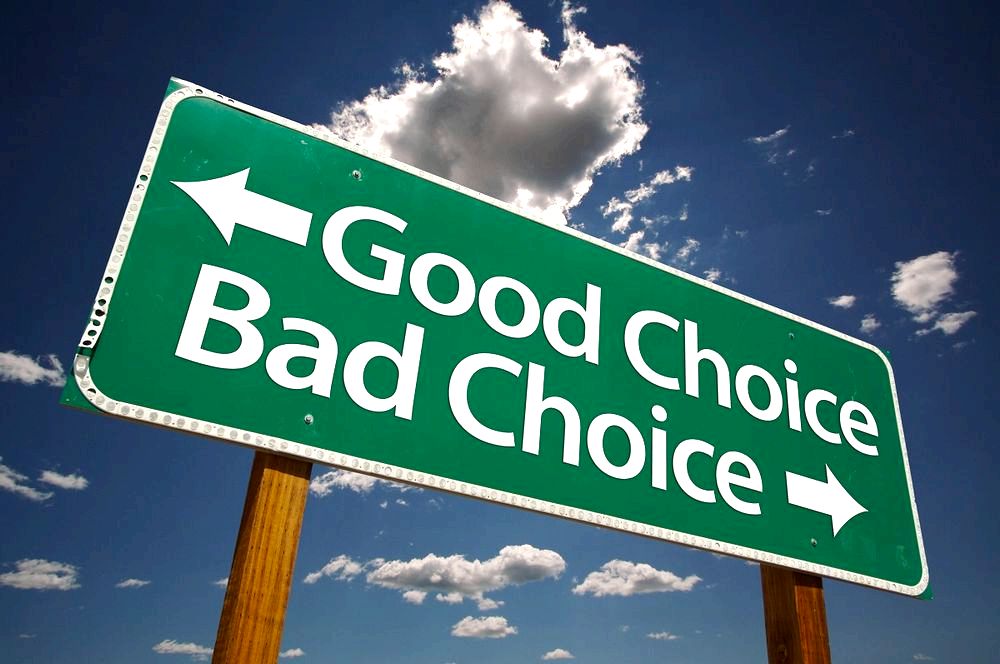
Secondly, it is important to be independent and not be overly influenced by the opinions and perceptions of others. Each person has different experiences and backgrounds, so it is important to look at our choices with an open and unbiased mind.

Additionally, it is important to connect with our values and personal morals. When faced with a tough choice, it is important to ask ourselves what underlies our decision and whether it aligns with our values.
In conclusion, when faced with free choice, it is important to deal with social and moral pressure in a stable and calm manner. This is the key to making our choices boldly and clearly.
5. Ways to Ease Decision-Making
Accept the fact that you cannot change the past and cannot go back to it. It is always important to focus on the future and your options. Do not complain about the current situation, but open your heart and mind to the new opportunities ahead. Remember that you have full control over your life and can choose how to respond to different situations.
Approach the various options positively and critically. Try to focus on the advantages of each option and the good possibilities it brings. This will help you make informed and thoughtful decisions, rather than resorting to hasty decisions that you may regret in the end.
Open and honest communication with yourself is an important component in the decision-making process. Address your emotions honestly and non-judgmentally, identify which options are suitable for you and your value system. Remember, every decision you make impacts your future, so it is important to choose your identity and what suits you best.
6. The Impact of Lack of Free Choice on Personal Relationships
Lack of free choice can significantly impact our personal relationships. When we do not choose our relationships freely, they may not be healthy or fulfilling. Lack of free choice can lead to extreme feelings or a desire to escape the relationship, which can result in emotional outbursts or breakdown.

Moreover, lack of free choice may lead to feelings of suffering and discomfort in a relationship. When we feel we have no control over the reality of the relationship, we may start to feel disconnected or unwilling. This can lead to a loss of self-confidence and feelings of alienation.
It is important to understand that lack of free choice can also affect our ability to build healthy and peer relationships. When we feel we do not freely choose the relationship, misunderstandings and lack of support may develop between us, leading to the intensification of negative emotions and communication difficulties.
When we believe in free choice, we accept the ability to change our future for the better
Naomi Levy – Psychologist
Therefore, it is important to remember that freedom of choice in personal relationships is crucial and can improve the quality of our personal lives. We must strive for free choice and ensure that our relationships are based on love, respect, and shared conquest.