
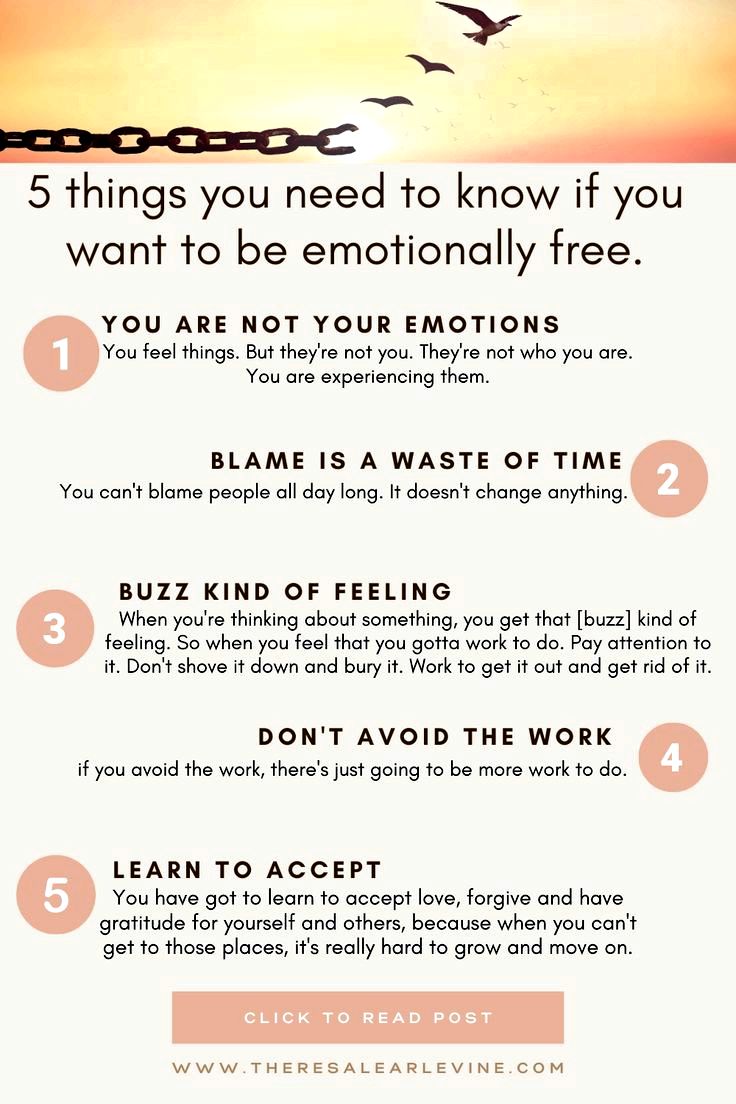
1. Personal Choice Ability
People struggle to understand that they can independently choose and influence their emotions. This ability, the ability to choose how to respond to situations and events, is central to emotional independence. When we realize we have a choice and can control our emotions, we feel stronger and more empowered.
Personal choice is not simple and requires perseverance and courage from us. When we choose to develop this ability to choose, we train ourselves to cope with different emotions and overcome difficult situations. This is a process that leads to strengthening our emotional resilience and improving our emotions in general.
Learning to choose independently allows us to progress and grow as individuals. It enables us to deal with difficulties and overcome tough times. This ability allows us to be in control of our lives and not be dependent on our environment or external circumstances.
When we understand the power of personal choice ability, we can improve the quality of our lives and create healthy and balanced relationships with those around us. This is a position of strength that enables us to develop as independent and happy individuals.
Emotional independence is the ability to set boundaries, understand personal needs, and control feelings and desires
Shira Cohen – Emotional Therapy

The Influence of Emotional Independence on Interpersonal Relationships
Emotional independence is the ability to understand our emotions, manage them in a healthy way, and deal with them properly. It significantly influences our interpersonal relationships, so it is important to focus on its development and strengthening.
When we are emotionally independent, we can cope with our feelings in a healthy and non-harmful way. This leads to the ability to communicate efficiently with understanding and patience even during stressful times in relationships.
Emotional independence gives us the ability to understand our emotions and not hide them from ourselves and our partners. When we can understand our emotions and express them in a healthy way, we can provide our partner with the tools to understand and support us emotionally.
Additionally, emotional independence gives us the ability to deal with our emotions in a healthy way and not introduce them into relationships in a harmful manner. When we are emotionally independent, we can give and receive emotional support from our partner and create healthy and deep relationships.

In conclusion, emotional independence is an important component in our interpersonal relationships. It enables us to understand our emotions, deal with them in a healthy way, and give and receive emotional support from our partner. Improving emotional independence can significantly enhance the quality of our relationships and strengthen the personal bond between partners.
Emotional independence is the ability to set boundaries, understand personal needs, and control feelings and desires
Shira Cohen – Emotional Therapy
3. How to Improve Your Emotional Independence
Emotional independence is a crucial process in building healthy relationship systems. When we feel confident and comfortable with our emotions, we can cope with challenges and communicate more efficiently with others. Here are some simple tips to help you improve your emotional independence:
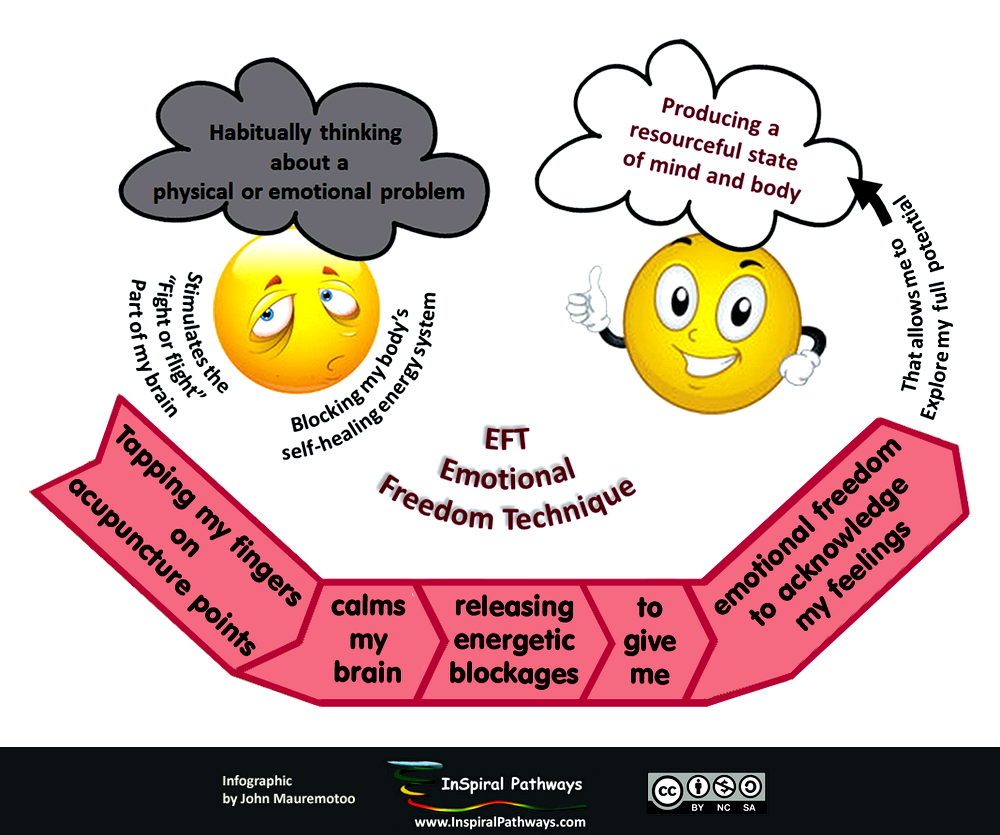
1. Understand Your Emotions: It is important to understand what you are feeling and not ignore your emotions. When you identify your emotions, you can address them in a healthy and constructive way.

2. Take Care of Yourself: It is important to take care of your emotional needs and not ignore them. Self-care includes spending time with yourself, physical activity, and maintaining a positive self-perception.
3. Deal with Challenges: When you face emotional challenges, it is important to address them in a healthy way and not ignore them. Try to find effective ways to solve the problem and learn from your experiences.
4. Support Yourself: It is important to support yourself and appreciate your abilities. Remember that you are valuable and capable of dealing with anything that comes your way.
In conclusion, remember that emotional independence is a process of continuous development and improvement. You must be consistent and invest effort to reach a higher level of calmness and self-assurance.
The Relationship Between Emotional Independence and Self-Confidence
Emotional independence is the ability to identify, understand, and manage our emotions in a healthy and efficient manner. When we know how to identify our emotions, understand where they come from, and how they impact our actions, we feel complete and confident in ourselves.
Emotional independence is the ability to set boundaries, understand personal needs, and control feelings and desires
Shira Cohen – Emotional Therapy
Emotional independence directly affects our self-confidence. When we can manage our emotions, we feel confident and connected to ourselves. Self-confidence influences all our desires, opinions, and actions in relationships.
A strong connection between emotional independence and self-confidence can improve our ability to communicate in healthy and non-committal relationships. When we feel confident and understand our emotions, we can be more open and genuine with others.
In summary, emotional independence and self-confidence are two important values in our relationship system. When we understand our emotions and feel confident in ourselves, we can create genuine and serious connections with others.
5. Non-Committal Relationships and Emotional Independence
Non-committal relationships occur when two people emotionally and physically connect without commitment or intention to form a serious or committed relationship. When it comes to such relationships, it is important to understand and emphasize the importance of emotional independence in the relationship system.
Emotional independence means the ability to distinguish between your emotions and needs and those of your relationship partners. This process requires a high level of self-understanding and a good perception of reality. With the help of emotional independence, healthy and proper relationships can be created for both parties in the relationship.

In non-committal relationships, emotional independence serves as an important tool to maintain boundaries and protect our emotions. When we know ourselves well and understand our needs, we can provide ourselves with the support and love we need to thrive and develop.

In conclusion, emotional independence is a central foundation in non-committal relationships. We must understand and remember that only by embracing emotional independence and recognizing our needs can we create healthy and fulfilling relationships for ourselves and our partners.