
Approaches to Creating Agreements
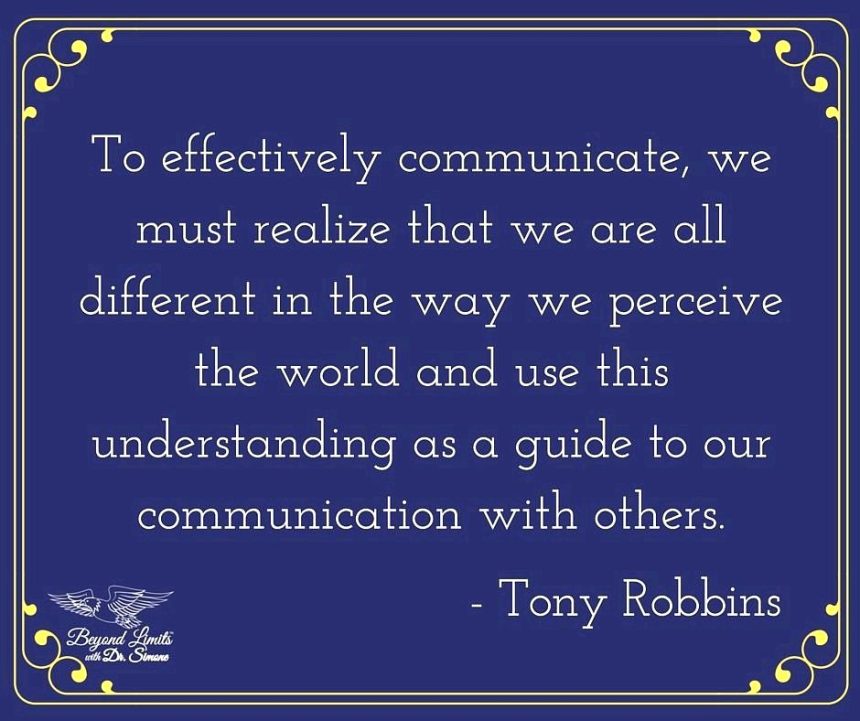
In the process of effective communication between people, it is important to understand different approaches that can help in creating agreements and improving personal relationships. Below we will discuss several key approaches:
1. Open Dialogue: This approach is based on open and honest communication between the parties. When people engage in honest and empathetic dialogue to understand the other party’s perspective, there is a higher chance of reaching an agreement.
Effective communication can survive even in non-committal relationships
Eitan Golan – Communication Manager
2. Non-Aggressive Communication: In this approach, people use pleasant language and a manner that does not violate the rights of the other parties. This can help create a positive environment for giving and receiving feedback.
3. Active Listening: This approach focuses on the ability to carefully listen to the opinions and emotions of the other party, in order to better understand their perspective.
4. Empathetic Relationship Building: By creating empathetic connections and paying attention to the emotions and needs of the parties involved, conflicts can be reduced and understanding and agreement promoted.
By combining these approaches and adapting them to the specific case, it is possible to improve the communication process and create interpersonal agreements effectively.
How to Deal with Conflict in Communication
When faced with conflict in communication, it is important to remember that there are basic rules that can help us deal with it effectively and have a better understanding of the situation:
1. Listen attentively
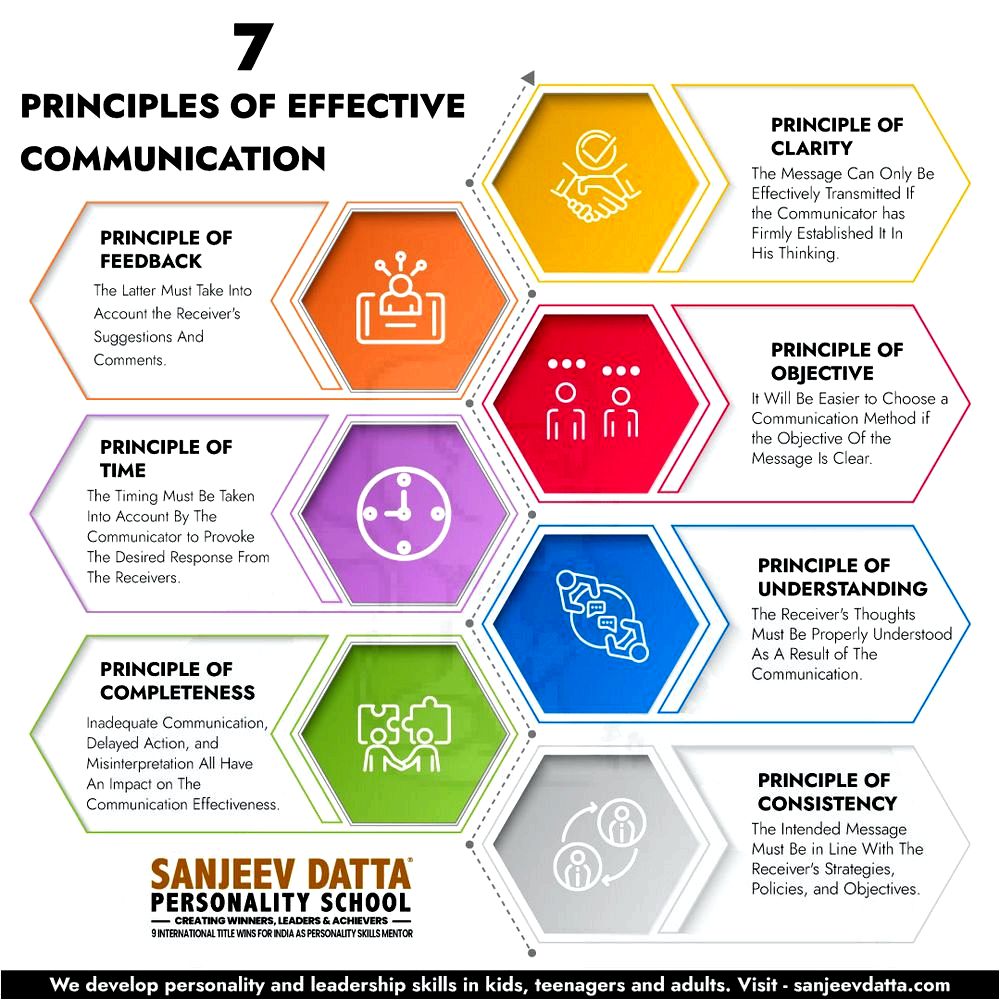
Listen to the details and feelings of the other party. Try to understand their perspective and avoid interrupting them during the conversation.
Effective communication can survive even in non-committal relationships
Eitan Golan – Communication Manager
2. Speak clearly and directly
Expressing emotions and opinions clearly and directly may help resolve conflicts and prevent stubbornness.
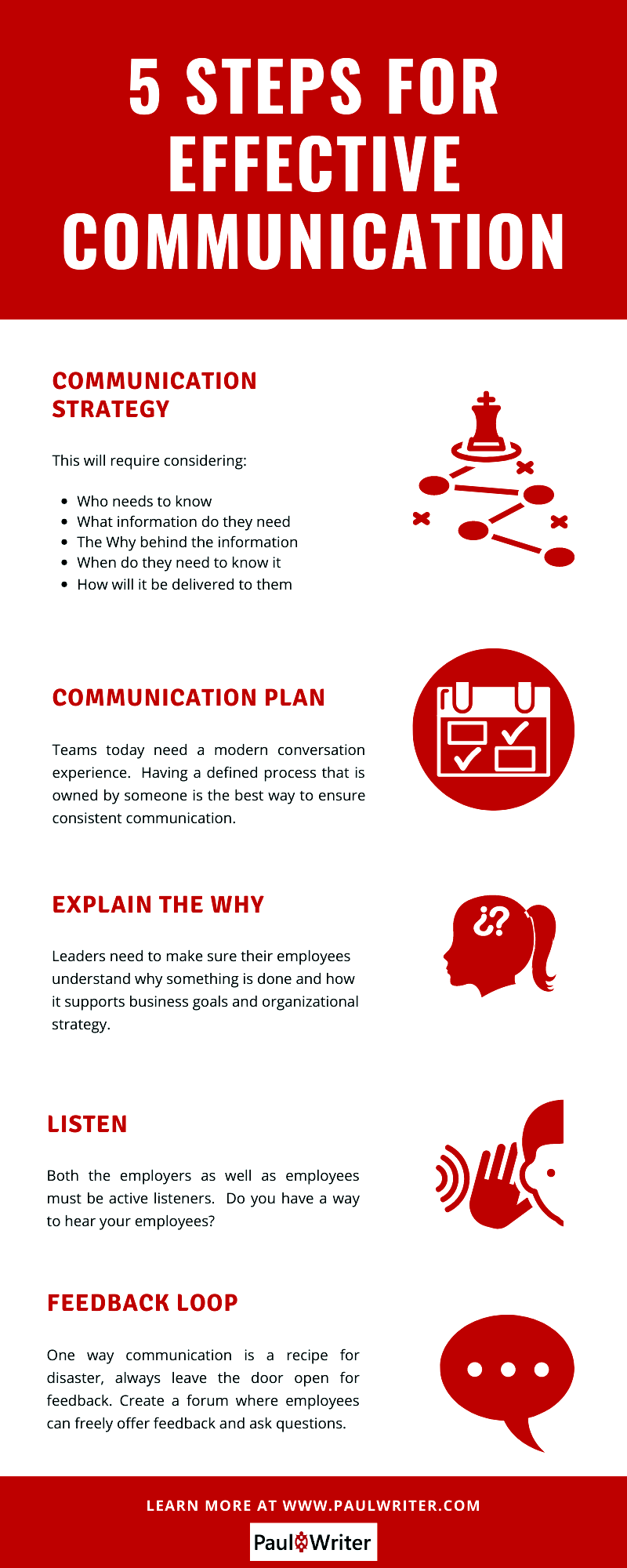
3. Behave respectfully
Behave with respect towards the other party, even when you do not agree with them. This can help maintain a positive relationship system.
4. Seek solutions
Try to find efficient solutions and cooperative actions that can lead to a healthy resolution of the conflict. It is important to focus on solutions rather than problems.
By circumventing conflict in a controlled and effective manner, we can improve the quality of our communication and create more positive and genuine relationships.
Using Positive Body Language
Using positive body language is a powerful tool in effective communication in non-committal relationship systems. When we use positive language, we enhance interaction and promote diversity and sensitivity between the parties. Using positive body language calms the partners’ feelings and enhances their ability to deal with complex situations.
When we express respect, gratitude, and appreciation through our body language, we foster a friendly and collaborative atmosphere. This leads to improvements in relationships between people and promotes a sense of genuine connection and love. The ability to listen and understand the other person is central in using positive body language.
When using positive body language, it is important to present ourselves optimally and use an open body structure. When we display positive and bright faces, we increase the trust and empathy of our partners. Body movements can be positive and meaningful in measuring our enthusiasm and engagement.
In conclusion, using positive body language is a powerful tool for promoting effective communication in non-committal relationship systems. We must use this tool wisely and sensitively to create positive and genuine connections with others and enhance our ability to cope with complex and challenging situations in our daily lives.
Ensuring Agreements are Implemented
To ensure that agreements made in non-committal relationship systems are heard and implemented effectively, it is important to emphasize effective communication. Here are some tips that will help you improve communication with your partner:
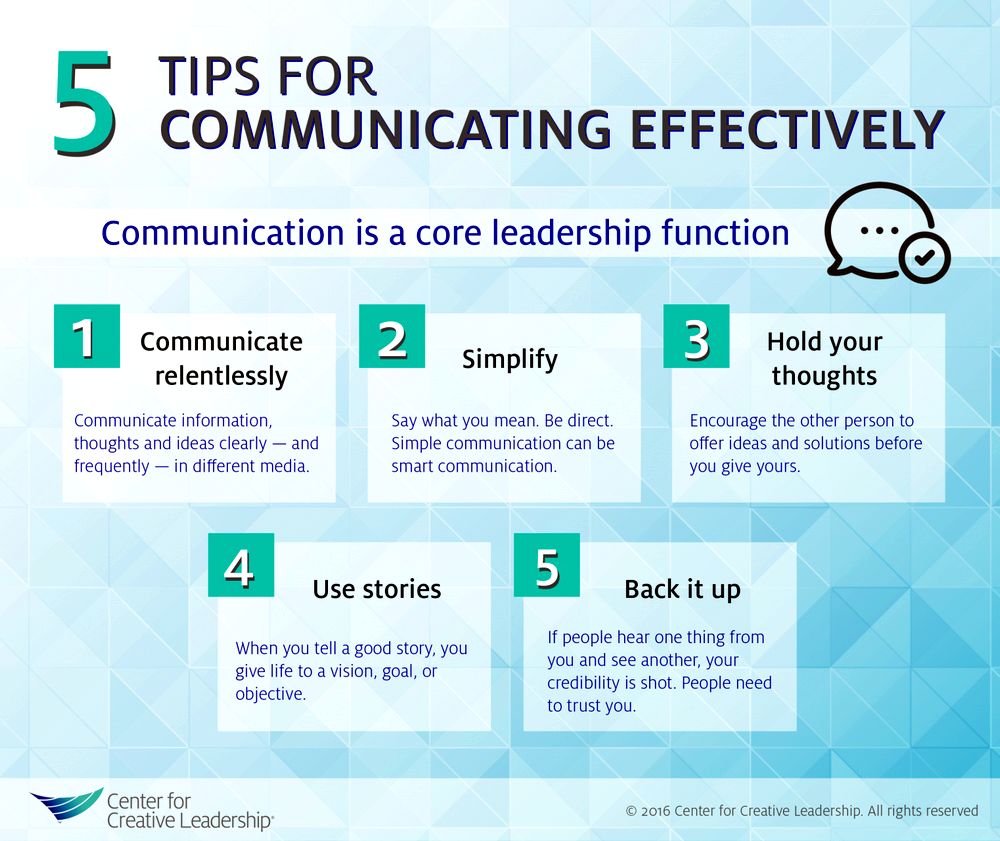
- Listen with respect: Focus on listening to your partner’s words with respect and understanding. It is important to show them that you recognize and understand their perspective.
- Clarify expectations: It is important to clarify your expectations from the relationship and the agreements made between you and your partner in advance.
- Use clear and simple language: Try to use clear and simple language to ensure that your message is understood and that the agreements are written in a clear and understandable manner for both parties.
- Build a personal relationship: It is important to build a personal relationship with your partner and ensure stability in the relationship system, so you can deal together with any difficulties that may arise.
- Recruit external support: If necessary, do not hesitate to recruit external support such as consultants or experts who can help you solve problems and ensure the implementation of agreements effectively.
At the end of the agreement process, it is important to ensure that both parties are satisfied and feel that the agreements were reached efficiently and in good spirits. Effective communication is the key to the success of non-committal relationship systems.
Empathy and Understanding the Partner’s Perspective
Empathy and understanding the partner’s perspective are important attitudes in effective communication between people. When we manage to understand the partner’s perspective and feel empathy towards them, we promote feelings of belonging, love, and understanding between the parties.
Effective communication can survive even in non-committal relationships
Eitan Golan – Communication Manager
Understanding the partner’s perspective is done through active listening and understanding the partner’s background. We must understand the feelings, experiences, and perceptions of the partner in order to understand what motivates them and how to make them feel understood and involved.
Courage and confidence to express empathy and understand the partner’s perspective may be a challenge for some of us, but it is important to acquire this ability in order to improve communication and strengthen our relationships.
By understanding the partner’s perspective and expressing empathy, we can build bridges of understanding and love between people and improve the quality of our relationships in non-committal relationship systems.