
1. Advantages of Open Relationships
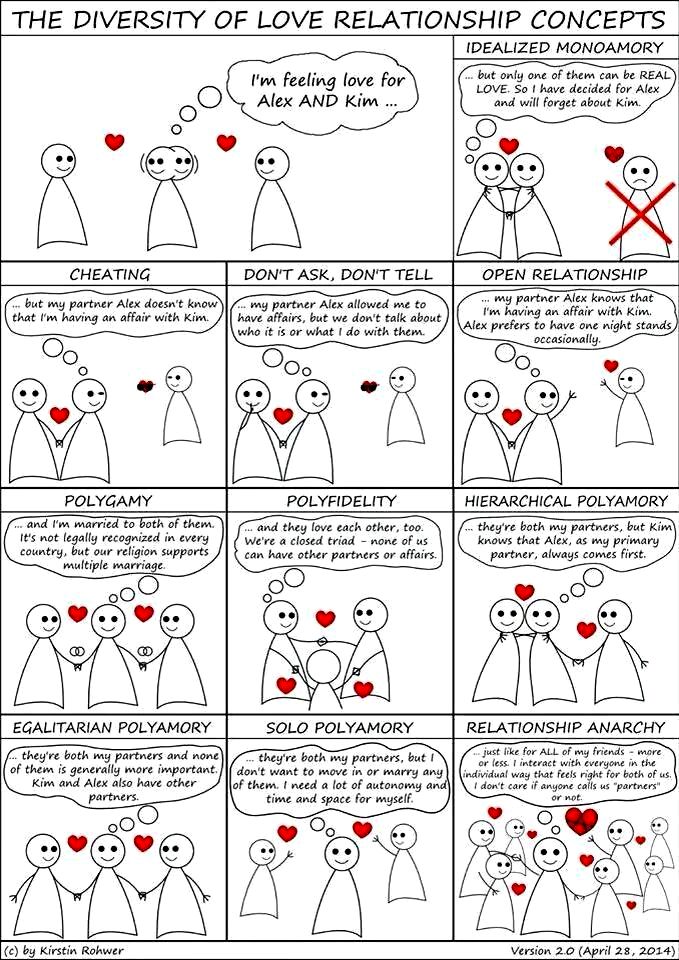
Multiplicity in relationships is a phenomenon that occurs when a person falls in love with more than one person simultaneously. According to studies, open relationships can bring a variety of exciting and soulful benefits alongside challenges. Here are some advantages of open relationships:
1. Feeling of freedom and authenticity – In an open relationship, people can be in a relationship authentically and express themselves in a way that suits them best.
The family context can influence the multiplicity of personal relationships
Abigail Levy – Specialist Psychologist
2. Flexibility and quality of life – Open relationships allow people to experience diverse and rich relationships, which can lead to fascinating and meaningful life experiences.
3. Support and understanding – When there are multiple relationships, people can receive abundant support and understand that they have people who will be there for them at any given moment.
4. Personal and spiritual development – Open relationships can enhance communication skills, self-understanding, and develop new emotional and spiritual capabilities.
In conclusion, multiplicity in relationships and open relationships may lead to fascinating and enriching life experiences, with many diverse benefits. It is important to remember that every relationship is unique, and each individual can find their own way to deal with multiple relationships in the best and most authentic way for them.
2. Challenges in Building Open Relationships
Building open relationships focuses on the ability to maintain a relationship with someone without committing to a committed relationship. One of the major challenges in building an open relationship is creating clear and healthy boundaries. Without clear boundaries, the relationship may break down and become unhealthy. Another challenge in building an open relationship is to maintain open and honest communication with the partner, without hiding emotions and feelings. Additionally, it is important to maintain stability and self-confidence, so that the relationship remains healthy and balanced. Another challenge in building an open relationship is dealing with feelings of jealousy and negative emotions that may arise during the relationship. In conclusion, building an open relationship poses a fascinating and challenging challenge, but also promises a rich and deep emotional experience.
3. How to Maintain an Open Relationship in a Non-Committal Relationship System
When it comes to a non-committal relationship system, it is important to maintain an open and honest relationship with your partner. Here are some tips that will help you maintain a healthy and deep relationship in this dynamic relationship system:
1. Clarifications and open communication: It is important to talk openly and honestly with your partner. Let them know your feelings, expectations, and boundaries and address them in real time.
2. Respect and conquest: It is important to treat your partner with respect and admiration. This includes setting clear boundaries, respecting their feelings, and appreciating their time and space.
3. Support and encouragement: Support and encouragement are an important part of maintaining a healthy relationship. Be there for your partner, support them, and encourage them at every stage of the relationship.
4. Sensitivity and understanding: Be sensitive to the emotions and needs of your partner. Understand that every person is different, and every relationship requires understanding and sensitivity.
The family context can influence the multiplicity of personal relationships
Abigail Levy – Specialist Psychologist
In conclusion, in order to maintain an open relationship in a non-committal relationship system, it is important to dedicate time and effort to strengthen the relationship and keep it healthy and diverse. Always remember – successful relationships require attention, sensitivity, and shared work from both sides.

4. Differences between Open Relationships and Committed Relationships
When discussing multiplicity in relationships, it is important to understand the differences between open relationships and committed relationships. An open relationship is a relationship in which both parties enjoy maximum freedom and have no commitment to each other. In contrast, a committed relationship is a relationship in which the parties are committed to performing certain actions and staying by each other’s side at all times.
The main difference between the two types of relationships is the level of commitment within them. In an open relationship, there is no need to commit to anything, and everything happens naturally and non-obligatory. In contrast, in a committed relationship, there is a specific commitment to perform actions and maintain the relationship at all times.
Another difference between the two types of relationships is the level of communication between them. In an open relationship, communication may be less complex and not always regulated. In contrast, in a committed relationship, communication may be more complex and include clear and defined commitments.
Ultimately, it is important to understand the differences between open relationships and committed relationships in order to choose the type of relationship that suits you and your needs. Whether you are interested in maximum freedom or absolute commitment, it is important to understand the differences and act accordingly.
5. Tips for Success in an Open Relationship in a Non-Committal Relationship System
In an open relationship in a non-committal relationship system, it is important to maintain open and honest communication. Here are some tips that will help you succeed in such a relationship:

1. Accept reality: It is important to understand what interests the parties in the relationship and to be open-minded to all possibilities of the relationship.
The family context can influence the multiplicity of personal relationships
Abigail Levy – Specialist Psychologist
2. Uniqueness: It is important to be unique and not try to fit ourselves into the standards of others. Every person is unique and this should be appreciated and accepted.

3. Communication: Open and honest communication is the key to a healthy relationship. It is important to talk about the feelings, expectations, and needs of each side openly.
4. Boundaries: It is important to set clear boundaries and respect them. This will help maintain a sense of security and build trust between the parties.
5. Recognition: It is important to understand that the relationship may be temporary and not always be maintained over time. Therefore, it is important to be prepared to deal with the end of the relationship in a healthy and non-harmful way.