

1. Ability to Deal with Emotions
The ability to deal with emotions is central in non-committed relationships. It is important to be open and honest even when dealing with difficult and complex emotions. When we can express our emotions openly and with understanding, we can build healthy and deep relationships with others.
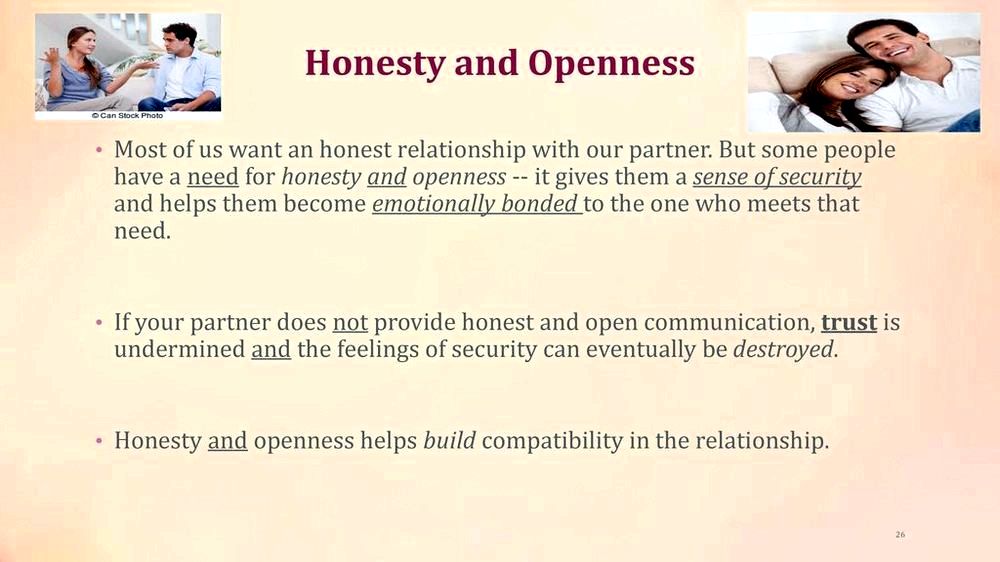
Sometimes we encounter emotions that are difficult for us to deal with. It is important to remember that there is no such thing as an “invalid emotion.” Every emotion we feel is valid and important, and we need to learn to deal with it in a constructive and healthy way.
In relationships without commitment, openness and honesty make the difference
Itay Cohen – Relationship Counselor
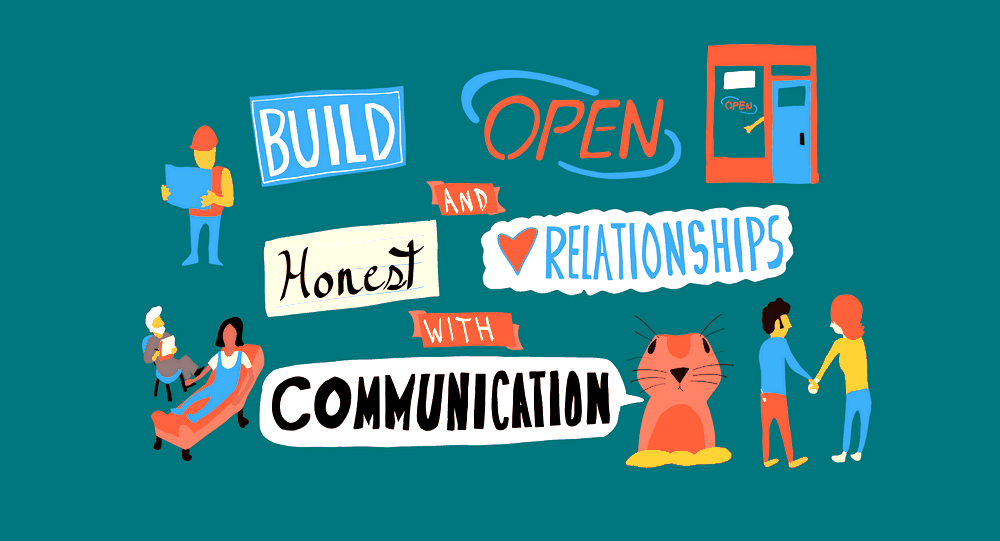
When we succeed in expressing feelings of fear, anger, sadness, or even love, we promote communication and understanding between the parties. This leads to personal growth and the ability to build deeper and more genuine relationships with others.
Understanding the Partners’ Needs
Building non-committed relationships starts with understanding the partners’ needs. When we understand the needs of the other partner, we grant them a sense of recognition and appreciation. This leads to the creation of a deep and genuine connection between the parties.

To understand the partner’s needs, it is important to listen attentively and respond sensitively to their emotions and thoughts. When we communicate openly and honestly, we allow the partner to express their needs freely and without restrictions.
Understanding the partners’ needs leads to growth and improvement in personal and romantic relationships. When both parties feel understood and accepted, they can create a deep and genuine connection that brings satisfaction and unforgettable love.
3. Ability to Express Feelings and Opinions Openly
Openness and honesty in non-committed relationships are key features that promote communication and understanding between the parties. It is important to understand that the ability to express feelings and opinions openly is a central component in building a healthy relationship and the success of the non-committed relationship.
When we express our feelings and opinions openly, we allow the other party to understand us better and respond emotionally and understandingly to our needs. This can help both parties to come closer to each other and facilitate communication and sharing between them.
In non-committed relationships, there is great importance in the ability to express feelings and opinions honestly and clearly. Openness and honesty in communication help in creating a genuine and strong connection between the parties and promote the success of the relationship based on its fundamental characteristics.
In summary, the ability to express feelings and opinions openly is one of the most important components in building non-committed relationships. When both parties know how to express their feelings and opinions honestly and clearly, they can come closer to each other and build a healthy and maintained relationship.
4. Establishing Clear Boundaries
Establishing clear boundaries is essential for building healthy relationships. Building clear boundaries requires perseverance and honesty from both parties. To succeed in this process, it is important to be open and understand the partners’ needs in the relationship.
Establishing clear boundaries includes agreeing on physiological boundaries, such as meeting times and periods of solitude, as well as emotional and mental boundaries. Creating clear boundaries helps each party feel comfortable and safe in the relationship and promotes a sense of connection and love between the partners.
When there are clear boundaries, there is freedom and the opportunity to grow in a relationship. Each partner can understand the expectations and boundaries of the relationship and act accordingly. This reduces the risk of conflict and strengthens the ability for open and honest communication.
True connection requires the construction of clear boundaries, and it can be the basis for a strong and deep relationship. When both parties understand each other’s needs and desires, a sense of security and stability is achieved in the relationship.
5. Effective Communication
Effective communication is an important component in non-committed relationships. When talking about interpersonal communication, it is important to be open and honest with the partner. To listen to them, understand them, and maintain the ability to express your feelings and opinions clearly and correctly.
In relationships without commitment, openness and honesty make the difference
Itay Cohen – Relationship Counselor

When there is effective communication between two people, they can understand each other better and develop a healthy and enduring relationship. Good communication leads to building trust and respect between the parties and promotes an understanding of each other’s needs and desires.
When you engage in effective communication with your partner, it is important to focus on them, understand their perspective, and not forget to express yourself honestly and clearly. Only then can you build a strong and thriving relationship where there is room for serious expression of feelings and opinions.
If communication is an important aspect of non-committed relationships, effective communication is the key to building a strong and healthy relationship between the parties. Every person has the right to be open and honest with their partner, leading to genuine and serious development of the relationship.
6. Ability to Accept Criticism and Deal with It
Being part of a non-committed relationship, it is important to have the ability to accept criticism and deal with it constructively. Criticism is an inseparable part of any relationship, especially in a non-committed relationship.
When you receive criticism, it is important to deal with it openly and honestly. Try to understand your partner’s perspective and handle the criticism constructively and respectfully.
In relationships without commitment, openness and honesty make the difference
Itay Cohen – Relationship Counselor
Recognizing and accepting criticism can lead to improvement and development in your relationships. It can lead to a better understanding of the other side’s needs and strengthen the bond between you.

It is not always easy to accept criticism, but the ability to deal with it openly and constructively will improve your communication skills and help you grow as a person and as a friend.