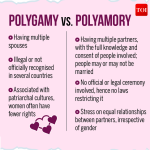
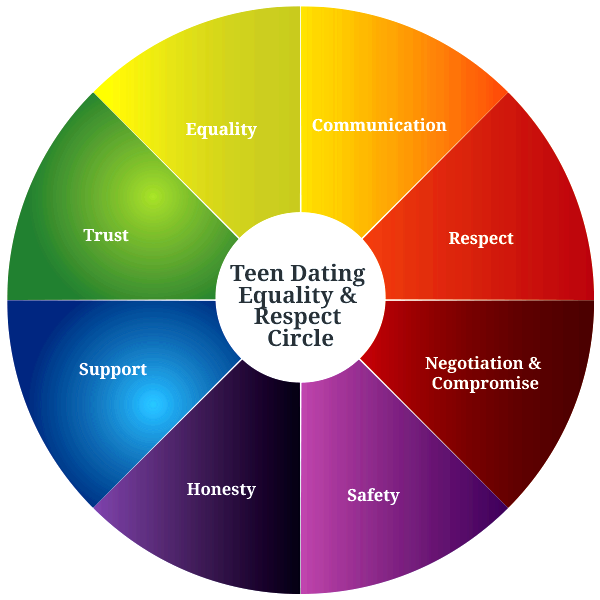
1. Studies on the Influence of Equality and Dignity on Non-Committal Relationship Systems
Many studies in the field of non-committal relationships indicate the influence of equality and dignity on relationships between people. When there is equality and respect among couples, they feel balanced and encourage each other to succeed. In such relationships, communication is based on respect, which affects the couples’ ability to deal with difficulties and conflicts.
Studies also show that when there is a lack of equality and respect in a relationship system, moments of walls and misunderstanding can arise. The influence of equality and dignity on non-committal relationship systems is central and directly affects the quality of the bond between couples.
According to other studies, there is a connection between equality and respect among couples and the level of satisfaction in the relationship. When there is respect and equality, couples feel accepted and inspire each other to be together. Equality and respect strengthen the bond and promote the sensitivity and support required in a non-committal relationship.
In conclusion, studies demonstrating the influence of equality and dignity on non-committal relationship systems highlight the importance of stability and balance in couple relationships. Equality and dignity form the basis for the process of building and maintaining relationships, directly influencing the quality and enhancement of the bond between couples.
The Influence of Culture on Open Relationships and Interpersonal Behavior
Culture is a way of life and a mode of thinking for a group of people. Culture significantly influences relationships between people and their interpersonal behavior. In non-committal relationship systems, culture contributes to encoding social norms and enhancing the personal values of those involved. Different cultures can create open and diverse relationships, where each person is valued and respected according to their culture.

Today, culture has a profound and immediate impact on interpersonal behavior. People adapt their behaviors and values according to the culture they identify with. A culture that values sensitivity, respect, and heroism promotes non-committal relationships where there is room for respect and appreciation of each individual.
In summary, culture influences relationships and interpersonal behavior in non-committal relationship systems. According to our culture, we can create open and respectful relationships based on our personal values. In doing so, we promote social communities where everyone feels accepted, respected, and valued based on their culture and values.
The Ability to Give and Receive Respect and Equality in Non-Committal Relationship Systems
In non-committal relationship systems, it is important to remember that equality and respect are two sides of the same coin. The ability to give respect to others and receive respect from them is a fundamental component in any relationship. When we recognize our own worth and the worth of others, we can create healthy and fulfilling relationships.
Equality and dignity should be at the center of every non-committal relationship system
Itay Levi – Social Projects Manager

Equality in relationships is expressed in valuing the opinions, feelings, and needs of both parties, and in seeking solutions that foster a sense of transparency and equality. When there is respect and equality between couples, true and deep relationships can be built based on self-respect and respect for others.
Giving respect in non-committal relationship systems includes the ability to listen with respect, express opinions appropriately, and assert our rights in a stable manner. Receiving respect from others also requires us to appreciate others and treat them with great respect.
In conclusion, when there is the ability to give and receive respect and equality in non-committal relationship systems, deep and fulfilling relationships based on respect for others can be created. These relationships encourage personal growth and promote feelings of fulfillment and completeness in human relationships.
Equality and dignity should be at the center of every non-committal relationship system
Itay Levi – Social Projects Manager
Factors Influencing the Ability to Create Open and Sophisticated Relationships
The ability to create open and sophisticated relationships is an important skill in non-committal relationship systems. There are various factors that can influence our ability to build quality and deep relationships with people in our environment. Let’s examine some of them:
Empathy and Emotional Understanding: The ability to understand the emotions and feelings of other people and empathize with them frequently can promote quality and deep relationships.
Active Communication: The ability to clearly express our desires, needs, and feelings contributes to creating relationships of equality and respect.
Listening Ability: Active and conscious listening to the words of others in a relationship is a vital component in creating successful relationships.
Clear Personal Boundaries: Understanding our boundaries and setting them against others fosters sensitivity and limits exceeding these boundaries.
Equality and dignity should be at the center of every non-committal relationship system
Itay Levi – Social Projects Manager
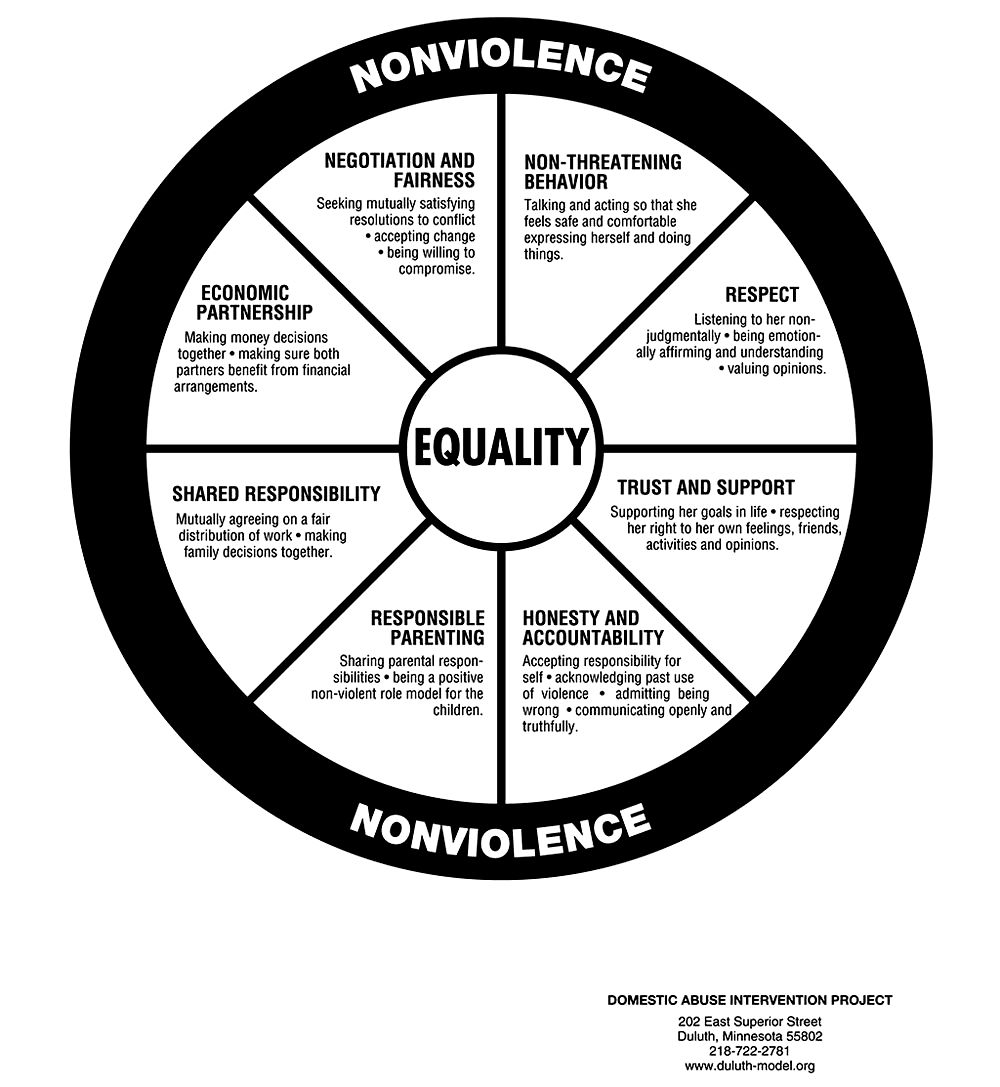
Conflict Resolution Skills: The ability to deal with conflicts in a constructive and positive manner can enhance our ability to create open and sophisticated relationships.
In conclusion, each of these factors can influence our ability to build quality and deep relationships with others in non-committal relationship systems. The key to success is to be aware of these factors and try to actively improve and develop them.
5. Gaps in Rights and Equality in Non-Committal Relationship Systems
Non-committal relationship systems can lead to significant gaps in rights and equality between parties. When one party can dominate the other, it can create a situation where power is centralized in one party’s hands, and the other party feels powerless and controlled.
Gaps in rights and equality can manifest in various ways, such as differences in economic complements, access to resources, and life opportunities. When such gaps exist, we can see how the equality and dignity between parties are affected and how their relationships are impacted.
Addressing the gaps in rights and equality in non-committal relationship systems comes with costs, primarily in strengthening relationships and building new relationships based on equality and respect. This requires all parties to be willing to invest efforts to improve the systems and ensure that each side receives the respect and rights they deserve.