

1. The Difference Between Polygamy and Polyamory
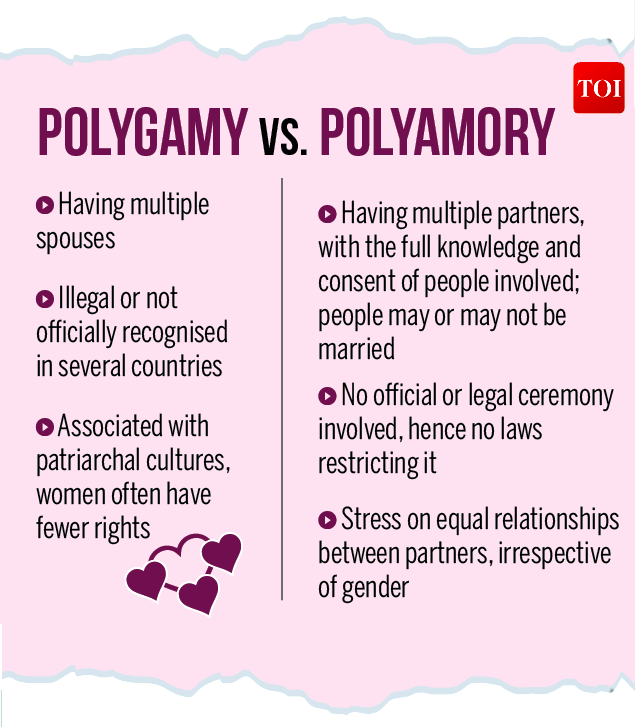
Polygamy is a relationship system where one man remains with more than one woman simultaneously, while polyamory is a relationship system where all parties can engage romantically with more than one person while maintaining respect and dignity for all parties.

Polygamy is based on legal and social uniqueness, and generally, each woman receives a lower status compared to the married couples. In contrast, polyamory is based on equality and balance among all parties, and it evolves and develops based on the needs and desires of all involved in the system.

In polygamy, there is a demand for loyalty to the main man, while the additional women are limited in terms of time, quantity, and love. In contrast, in polyamory, every member of the relationship system can live their romantic life and develop relationships with all parties in an open and transparent manner.
The Advantages and Disadvantages of Open Relationships
Open relationships are a new and advanced way of human relationships. Instead of being committed to one person, we can give ourselves the opportunity to move away from the classic concept of monogamy and live in a more open and diverse framework.
The advantages of open relationships include the ability to experience many and varied relationships, to grow as individuals, and to get to know ourselves better. Moreover, we can expand our social network and become part of a large and supportive community.
Understanding Needs and Providing for Them at the Right Moment
Psychotherapist – Couples Counselor
However, open relationships also come with disadvantages. They may lead to communication problems, jealousy, and uncertainties in relationships. It requires great sensitivity and the ability to manage feelings and interests in a balanced and controlled manner.
It can be said that when it comes to open relationships, it is important to understand their advantages and disadvantages and make a conscious and informed decision. Everyone can find the right balance between openness and commitment in their relationships and build connections according to their needs and desires.

3. How to Create Balance Among Multiple Partners
When you have multiple partners in a non-committed relationship system, it is important to create balance to maintain serious and healthy relationships. To succeed in creating this balance, there are several tips that can help:
1. Listening and Understanding: It is important to listen to the needs of your partners and understand what they are looking for in this relationship. When you are ready to deal with their needs and provide them with the support they need, you can create a better balance.
2. Open Communication: It is important to be open and honest with your partners. Talk about your needs, each other’s roles, and how you can support each other in the best possible way.
Understanding Needs and Providing for Them at the Right Moment
Psychotherapist – Couples Counselor
3. Task Division: It is important to divide the work among partners equally to avoid feelings of resistance and shame. When everyone can contribute positively to the relationship system, it will be easier to maintain balance among all partners.
In conclusion, remember that the key to creating balance among multiple partners is perseverance and self-judgment. You need to work together and be open with each other to ensure that the relationships remain healthy and realistic.
Tips for Managing Jealousy and Viewing Polygamous Relationships
Jealousy and viewing polygamous relationships may be challenging and complex, but with some tips and proper tools, you can successfully cope with difficult situations and find a balance between different emotions and needs. Here are some tips for managing jealousy and viewing polygamous relationships:
1. Open and Honest Conversation
It is important to talk honestly and openly with your partners about your feelings, needs, and boundaries. Such dialogue may help you better understand yourselves and cope healthily with jealousy and viewing.

2. Working on Self-Confidence

Positive self-perception and dealing with feelings of security may help you cope efficiently with jealousy and viewing polygamous relationships.
3. Seeking Internal Balance
Try to find a balance between your feelings and your personal needs. This may help you cope healthily with the difficulties that may arise in polygamous relationships.
4. Support and Understanding from Partners
Support from partners and understanding of everyone’s needs can improve relationships and help you cope efficiently with jealousy and viewing polygamous relationships.
Understanding Needs and Providing for Them at the Right Moment
Psychotherapist – Couples Counselor
The Importance of Connection and Mutual Trust in Open Relationships
In open relationships, the importance of connection and mutual trust are two central values that play a significant role in finding balance. Good communication and mutual trust promote stability and peace of mind between couples, helping them cope constructively and healthily with the challenges that may arise in the relationship.

Good communication is based on the ability to listen, understand, and consider the feelings and needs of partners. When each side can express themselves openly and honestly, it promotes a sense of belonging and a strong emotional bond between couples.
Mutual trust is based on the ability to rely on the partner, believe in them, and feel safe in the relationship. When there is strong mutual trust, couples can develop a sense of security and feel supported and grounded by each other.
Conversely, lack of connection or mutual trust may lead to difficulties in communication, relationship stability, and the ability of couples to cope with the various challenges that may arise in the relationship.
In summary, the importance of connection and mutual trust in open relationships is central values that play an important role in stability and peace of mind between couples. The sense of belonging, emotional connection, and security develop when there is good communication and mutual trust between partners.