

The History of Polygamy and Polyamory
Polygamy and polyamory are terms referring to relationship systems where there is a possibility of cooperation or romance with more than one person simultaneously. Throughout history, we can see that polygamy and polyamory are cultures and institutions that manifest in different lifestyles worldwide.
During history, polygamy and polyamory were common mainly in cultures that included many, such as in ancient cultures of Egypt, Babylon, and Nordic peoples. Simultaneously, many saw polygamy as a good social and economic life model that led to the expansion of personal relationship systems.
With societal development and cultural changes, we began to see greater interest in polyamorous relationship systems. In the modern era, many prefer to live in open relationship systems, where they can experience romance with more than one person simultaneously with informed consent.
In conclusion, the history of polygamy and polyamory indicates changes in the societal and cultural structure of humanity. The transition from polygamous cultures to polyamorous relationship systems emphasizes the development of personal and romantic relationships in the modern world.
Polygamy and polyamory are additional ways of living in relationships, which should be approached with respect and openness
Ahuvah Cohen – Family and Couples Psychotherapist

Distinguishing Between Polygamy and Polyamory
Polygamy and polyamory are two common terms in the modern world, yet there are still stereotypes and ancient views surrounding them. In this article, we will examine the distinction between the two terms and provide a deeper understanding of the concepts.
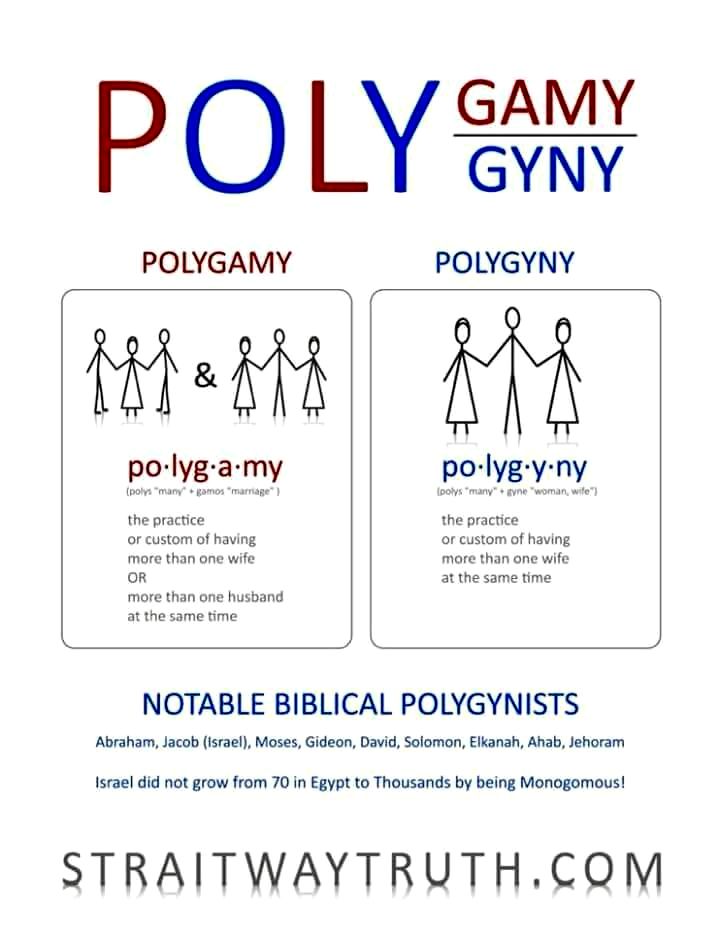
Polygamy is a term describing the situation where a person is married to more than one woman simultaneously. In this concept, polygamy is allowed and exists in several cultures and religions worldwide. In contrast, polyamory is a relational structure where the existence of romantic or sexual relationships with more than one person simultaneously is accepted, with cooperation, empathy, and respect.
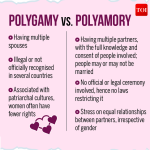
Unfortunately, the uniqueness of polygamy and polyamory is stuck in stereotypes and ancient views. Many still see polygamy and polyamory negatively and as deviant, without understanding the positive values and practices that could exist in such relationships.

In summary, distinguishing between polygamy and polyamory is important to understand the different cultures and values that may be behind polygamous and polyamorous relationships. Only by separating the terms and understanding them in different contexts can we progress as an open and accepting society.
The Popular Arguments For and Against Polygamy and Polyamory
Polygamy and polyamory are interesting and controversial topics that come with many diverse arguments for and against. The perspective on the subject is influenced by cultural, religious, and societal values.
Among the popular arguments for polygamy, one can find the argument talking about cultures where it is accepted and valued. There are cultures where polygamy is part of tradition and passes from generation to generation. Supporters of polygamy argue that it is a different form of love and sociality that can improve the quality of life for all involved.
On the other hand, among the arguments against polygamy are those claiming it is based on power dynamics and influence, creating dependency and inequality among partners. Some point out that it may lead to jealousy, pettiness, and abuse of power dynamics within the family.
Additionally, in favor of polyamory, it is argued that everyone can be accepted by a number of people, and it allows each individual to develop deep relationships with more than one person. Conversely, opponents of polyamory argue that multiple relationships may lead to fatigue and instability in relationships, with a risk of emotional and trust damage among partners.
Ultimately, each argument for or against polygamy and polyamory is based on individual values and perceptions, and decisions on the matter should be made according to each person’s individual reality and the culture and values of the community they live in.
The Social and Psychological Implications of Polygamy and Polyamory
Over the years, polygamy and polyamory have encountered stereotypes and ancient views in various societies and cultures. Technological advancements and changes in societal and moral structures have led to the spread of new relationship models that could bring significant social and psychological changes.
Polygamy and polyamory are additional ways of living in relationships, which should be approached with respect and openness
Ahuvah Cohen – Family and Couples Psychotherapist
One of the social implications of polygamy and polyamory is the change in family and societal structure. In many cases, there is resistance from family members, community members, and even the educational and religious systems. Difficulties in dealing with the stigmas arising from polygamy and polyamory may lead to tension among people and create social gaps.

Additionally, polygamy and polyamory may cause complex psychological problems. Feelings of jealousy, guilt, and emotional pressure may develop among partners, leading to difficulties in security and trust in relationships. Also, psychological benefits may develop for some involved individuals, such as feelings of support and love from multiple sources.
In conclusion, it is important to understand that polygamy and polyamory are complex phenomena that may lead to changes in social and psychological relationships. To understand and address these implications effectively, it is important to consult with experts and be open to discussion and change.
Polygamy and polyamory are additional ways of living in relationships, which should be approached with respect and openness
Ahuvah Cohen – Family and Couples Psychotherapist
Modern Approaches to Polygamy and Polyamory in Relationship Systems
Polygamy and polyamory are cultures and relationship systems that are part of human history. Over the years, these behaviors have faced certain stigmas and social problems. However, in the modern era, new perspectives on polygamy and polyamory are spreading and succeeding in bringing change to these topics.
Modern approaches to polygamy and polyamory are based on the values of choice multiplicity and personal freedom. They primarily emphasize the importance of free consent among all parties, including additional daughters and sons in the relationship system. Additionally, they stress healthy and secure relationships among all involved and the need to deal with emotions and preconceptions openly and directly.
Polygamy and polyamory provide a way for people to live together in a relationship system based on love, respect, and support. They allow individuals to build a relationship system that suits them and act according to their personal needs. Simultaneously, they require coordination, sensitivity, and respect for all involved in the relationship system from each party.

In the modern world, the importance of polygamy and polyamory is rising and spreading. They allow people to live in a way that suits them without succumbing to ancient and judgmental social norms. With the spread of openness and promotion of modern approaches, new paths for social change and relationship improvement in society may open up.