

1. The Role of Agreements in Communication
Agreements are an integral part of the communication process in non-committal relationship systems. They form the main basis for establishing a connection between parties and ensuring that communication is clear and efficient. Agreements may be written or verbal between the parties, and they contain the rules and agreements that the parties commit to uphold.

Agreements in communication serve as a tool for clarifying expectations, as well as defining boundaries and regulations. They help prevent misunderstandings and avoid complications in the future. Additionally, they assist both parties in understanding how to address problems and conflicts that may arise.
Ultimately, agreements in communication promote collaboration and the most effective solutions in non-committal relationship systems. Without clear and agreed-upon agreements, complications and conflicts may arise that can damage the relationship between the parties.
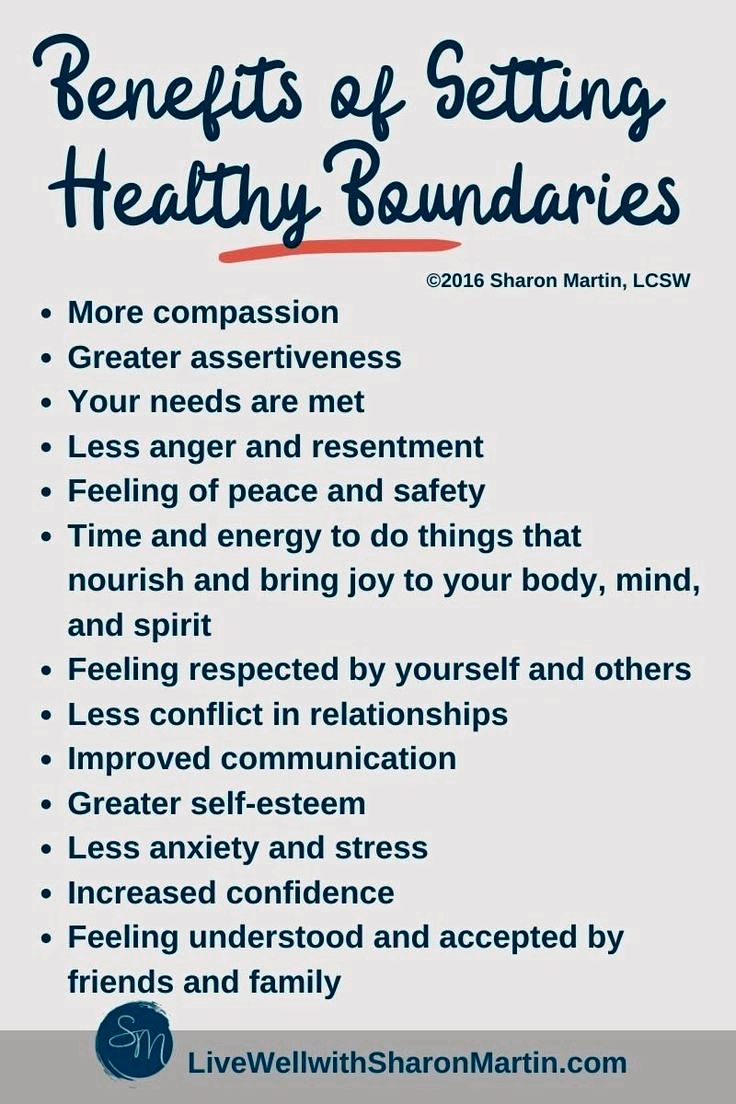
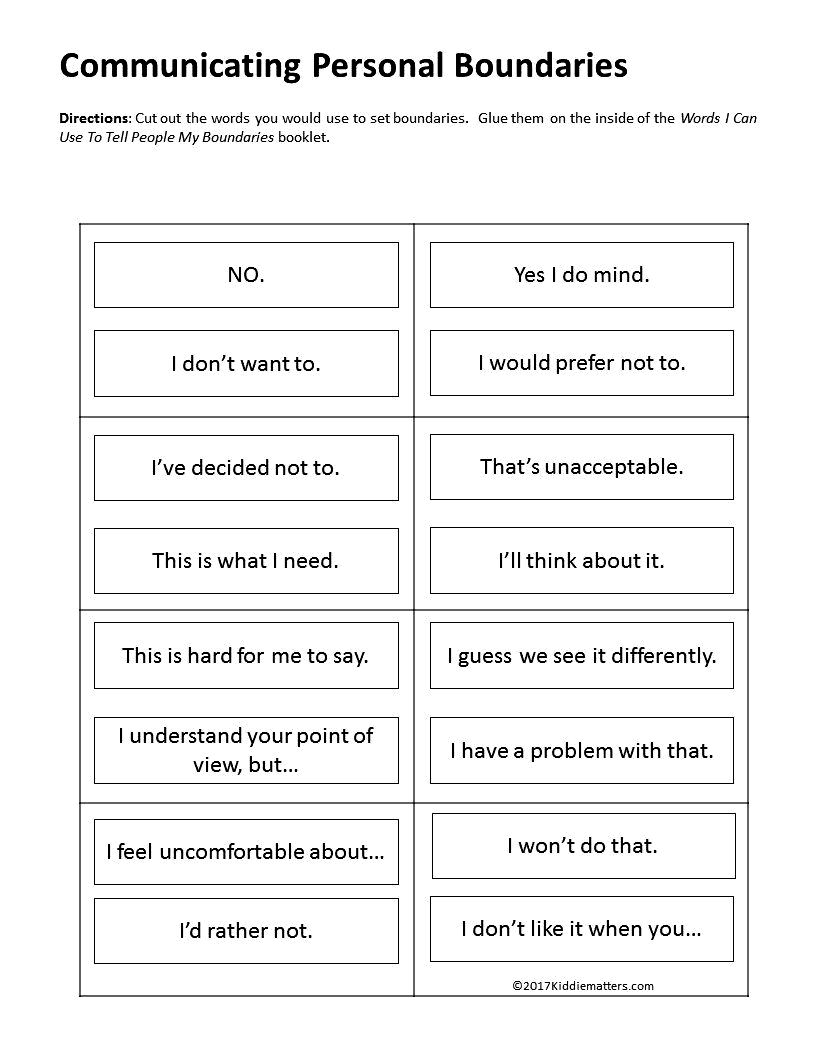
Communication boundaries are like underwear – very important and only visible when missing.
Nathan Cohen – Relationship Guide
2. Listening and Understanding Skills in Communication
In communication, the ability to listen and understand is essential for building healthy relationships and quality relationship systems. Listening skills refer to the ability to focus on what the other person is saying and understand the feelings and desires fundamental to communication. Understanding skills are the ability to grasp the true meaning of the words, expressions, and movements of the other person.
To improve listening and understanding skills in communication, it is important to focus on the conversation, listen attentively, and understand the other person’s perspective. It is also important to pause our actions and treat others with respect and consideration. Listening and understanding skills enable us to be sensitive to the emotions and needs of others and to create a good and genuine connection.
At the end of each conversation, it is important to ensure that we understood the other person as they wanted to be understood and not based on our assumptions. This may require asking clarifying questions and ensuring that the message was received as intended. Listening and understanding skills in communication are key to creating genuine relationships and healthy relationship systems.
3. Non-Committal Communication – Is It Possible?
Non-committal relationship systems can be a significant challenge for couples and individuals seeking healthy and fulfilling relationships. To understand whether non-committal communication is possible and successful, it is important to consider several key points.
First, it is important to understand that non-committal communication can be effective only when both parties approach it seriously and respectfully. This entails supporting the emotions and needs of the other, and understanding the boundaries between the rights and duties of each side.

Second, it is important to focus on communication at a high level that includes the courage to express feelings and opinions openly and honestly. This can help build trust and cooperation between parties even in non-committal relationship systems.
In conclusion, non-committal communication is possible but requires awareness, sensitivity, and perseverance from both parties. When communication is based on respect, honesty, and support, it can be a source of understanding and closeness between the involved individuals.
The Influence of Social Media on Non-Committal Relationship Systems
Social media is an integral part of our daily lives in the modern world. Platforms like Facebook, Instagram, and Twitter influence how we interact with potential partners and non-committal partners.
Communication boundaries are like underwear – very important and only visible when missing.
Nathan Cohen – Relationship Guide
Using social media can create a desire for new acquaintances and prompt quick and easy action. Through advertising and self-promotion on these platforms, it is easy to enter into non-committal relationship systems and develop new relationships quickly.
On the other hand, constant use of social media may instill a fear of commitment and reduce the level of commitment in relationship systems. The constant availability of new options and the ease of ending relationships can hinder the creation of a deep and genuine connection with a partner.

In summary, social media is an important tool in creating connections in the digital age, but it is important to use it wisely and not remain solely in the virtual world. Our perception of relationships and commitment may change due to excessive use of social media.
Communication boundaries are like underwear – very important and only visible when missing.
Nathan Cohen – Relationship Guide
5. How to Improve Communication Skills in Non-Committal Relationship Systems
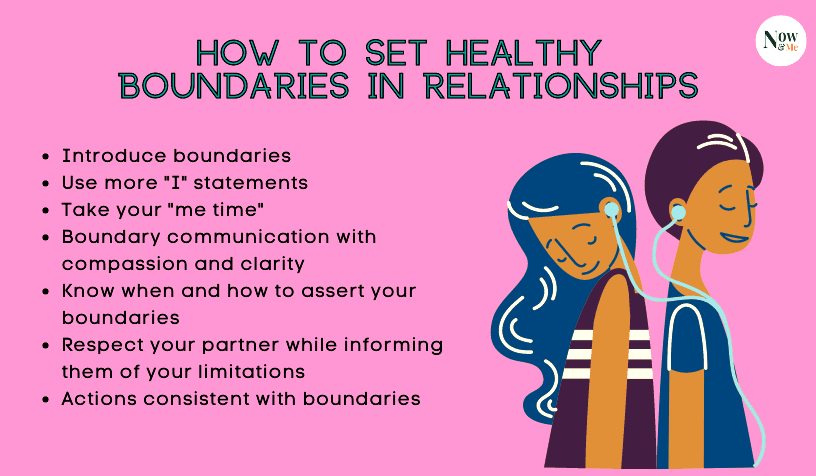
To improve communication skills in non-committal relationship systems, there are several ways that can help you progress and achieve positive results:
- Active Listening – Listen to details and understand the other party’s perspective. This is important because in a conversation, there are two sides, and it is important to listen and understand the other party’s perspective.
- Non-Defensive Behavior – Try to be firm and not let emotions control you. Try to maintain calmness and not react angrily to things that annoy you.
- Body Language – Pay attention to the other party’s body language and try to understand what they are trying to convey through their body movements.
- Questions and Clarity – Always ask clear questions and clarify things that are unclear to you. This is important because what is clear to you may not be clear to the other party.
- Positivity – Try to be positive and create a good atmosphere in the conversation. This can help build a better relationship with the other party and reduce conflicts.
By implementing these techniques, you can elevate your communication skills to a higher level and achieve positive results in non-committal relationship systems.