
1. The Influence of Emotions on Communication Between People
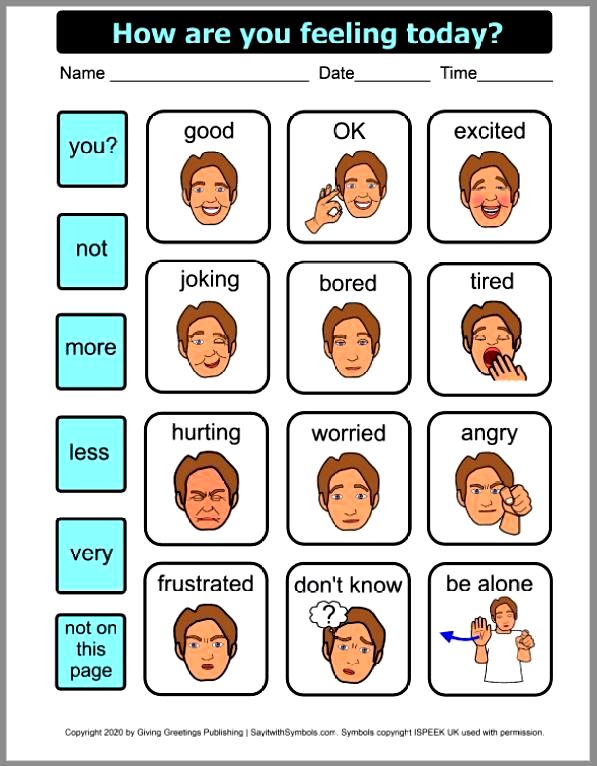
Emotions play an important role in the communication process between people. When we communicate with others, our emotions influence how we express ourselves and our messages. Emotions can impact the dialogue style, the tone of the conversation, and the understanding of the messages being sent and received during communication.
When we feel happy and content, we may become more open and friendly in our communication. Additionally, the feeling of joy can lead to conveying clear and positive messages. Conversely, when we feel sad or anxious, we may block ourselves and distort our communication.
Understanding our emotions and those of others can help improve communication between us. When we better understand the emotions of our partners, we can be more sensitive and appropriate in our communication. Learning to understand emotions and listen openly and qualitatively can enhance our ability to communicate efficiently and sensitively.

In summary, emotions play a central role in the communication process between people. To improve communication and achieve positive outcomes, it is important to be sensitive to our emotions and those of others and consider their impact on our communication.
Emotions are a powerful tool for understanding ourselves and for effective communication with others
Shira Cohen – Relationships Coach
2. How Positive and Negative Emotions Affect Communication Quality
Emotions are at the heart of communication between people, and they significantly influence the quality of communication between them. Positive and negative emotions can enhance or hinder our ability to communicate effectively and confidently.
Positive emotions, such as love, joy, and appreciation, give us optimism and abundance in our communication abilities. When we feel good about ourselves and those around us, we can express ourselves openly and authentically, and understand and appreciate the opinions of others.
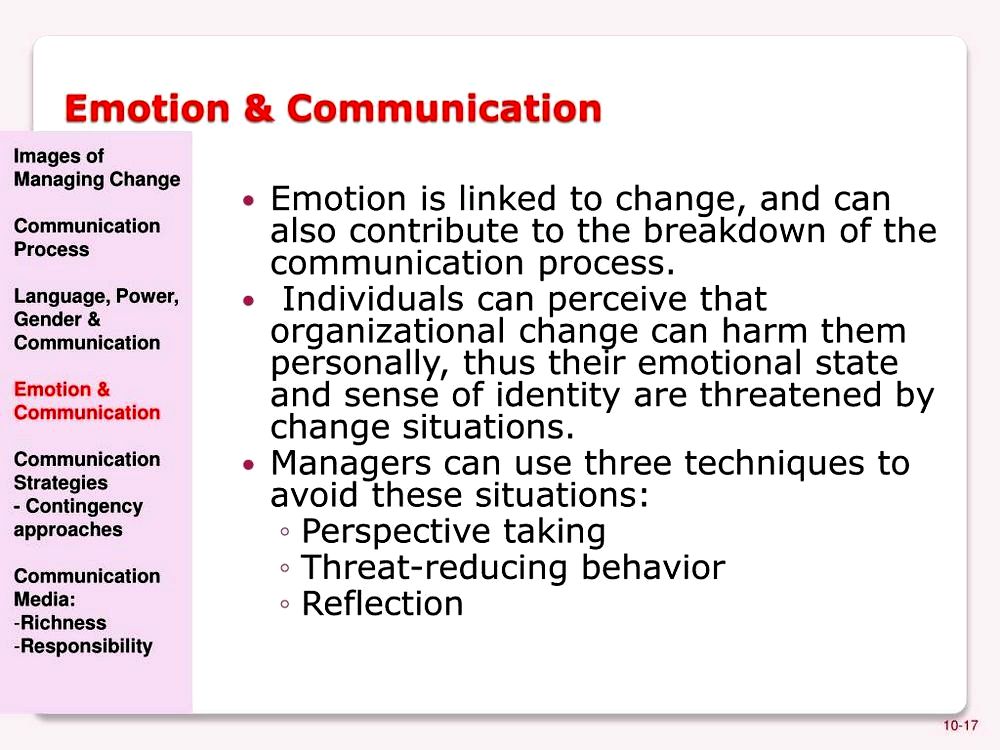
On the other hand, negative emotions like irritability, anger, and fear may disrupt the communication process and hinder building good relationships with others. When we feel calm and comfortable, we can handle conflicts and conflicts constructively and confidently.
Therefore, it is important to understand the role of emotions in communication and learn how to manage them positively and constructively. Effective communication requires the ability to deal with negative emotions and turn them into constructive elements for a constructive and surprising dialogue.
3. Importance of Emotional Management in Non-Committed Relationships
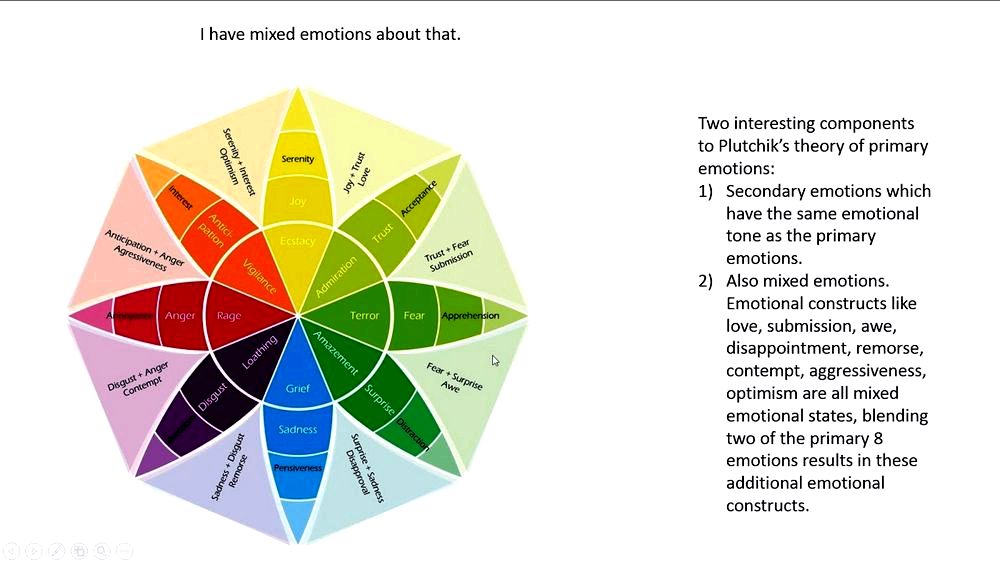
Emotional management is a very important part of any kind of relationship, especially in non-committed relationships. When talking about a relationship without commitment, it is important to understand that the emotions and feelings of both sides may change very quickly.
In non-committed relationships, emotional management may include the ability to express your feelings in a caring and clear manner, deal with feelings of dignity and jealousy, and maintain healthy boundaries with your partners.
The importance of emotional management in non-committed relationships is greatly tested when it comes to communication between the parties. The ability to understand and connect with the emotions of your partners, and to deal maturely with emotional issues that may arise in the relationship, is central to the success of couples in non-committed relationships.
In conclusion, emotional management in non-committed relationships is key to maintaining a healthy and enduring relationship over time. By dealing clearly and compassionately with the emotions and feelings of both parties, deep and serious relationships can be built, even without commitment.
4. How to Use Emotions as a Tool to Improve Communication in Non-Committed Relationships
In interpersonal communication, emotions play a crucial role. Especially in non-committed relationships, emotions should be used as a tool to improve communication and strengthen the bond.
One way to use emotions constructively is to be open and direct in relationships. When a person expresses their emotions honestly and clearly, it can help their partner understand their position and enhance communication between them.
Emotions are a powerful tool for understanding ourselves and for effective communication with others
Shira Cohen – Relationships Coach
Another way to influence communication in non-committed relationships is to insist on understanding the emotions of the other party. Instead of ignoring or bypassing them, listen attentively and ask questions to better understand the emotions and sentiments of the other party.
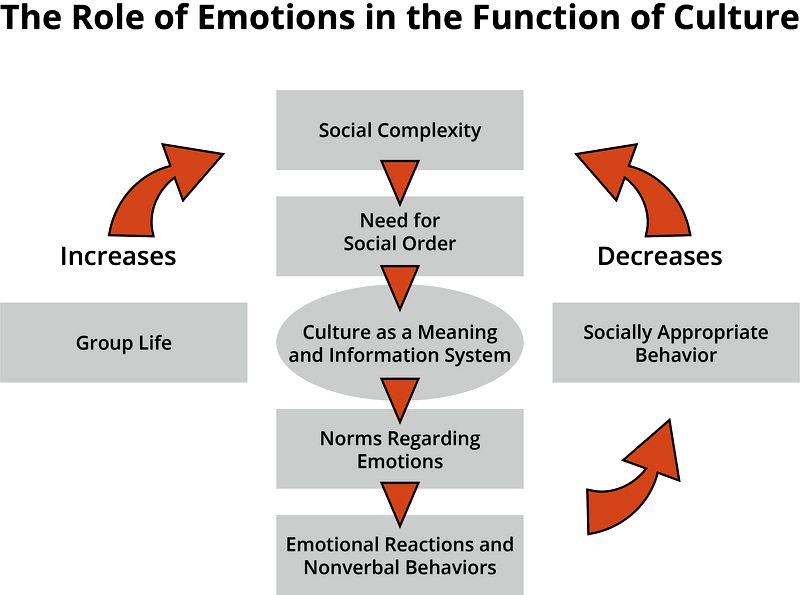
Equally important is to use emotions as a tool to improve communication is to insist on emotional stability. When a person can control their emotions and not disrupt communication due to negative emotions, communication may be healthier and more efficient.
In conclusion, it is important to remember that emotions are an integral part of communication between people, and therefore they should be used positively and constructively to improve relationships and strengthen non-committed relationships.
5. Limitations and Challenges in Expressing Emotions in Digital Communication in Non-Committed Relationships
In the fast-paced digital era we live in today, we face many challenges in expressing emotions in digital communication in non-committed relationships. Despite all the advantages of advanced technology, there are limitations and risks that are hard to ignore.
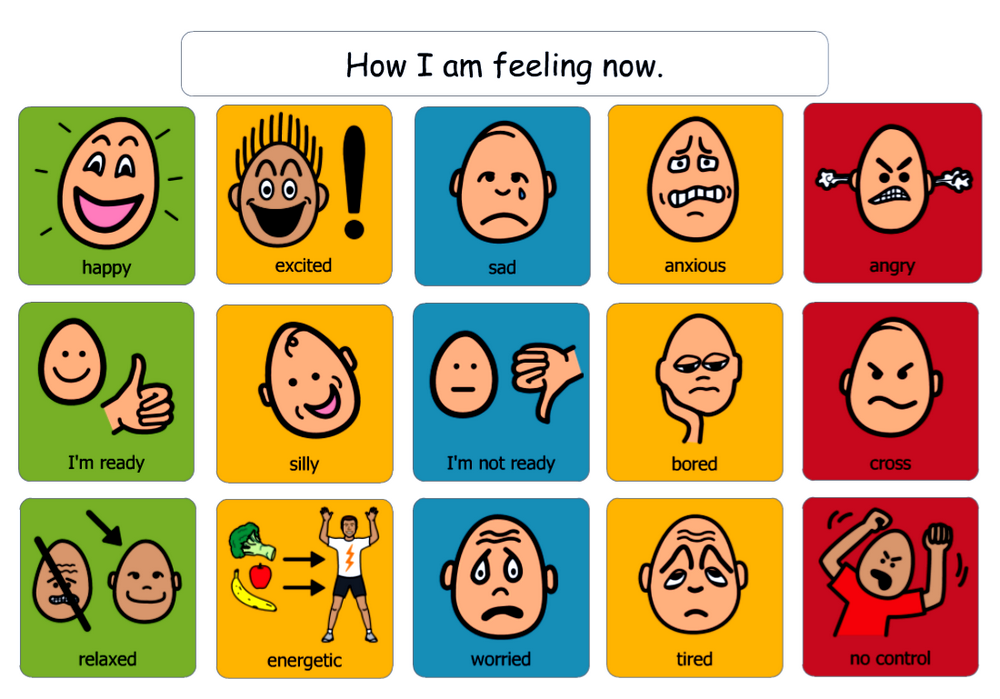
One of the main challenges is the difficulty in understanding and expressing emotions through digital communication. In the virtual world, lacking words, facial expressions, and complex body language, it is easy to misinterpret emotions and feelings.
Emotions can be perceived differently in the digital world, and sometimes it is difficult to express them correctly and clearly. Significant importance is given to building conscious emotional communication skills to accurately and clearly express emotions.
Emotions are a powerful tool for understanding ourselves and for effective communication with others
Shira Cohen – Relationships Coach
Additionally, it is important to remember that in digital communication, there is great importance in closing feedback loops and maintaining quick and efficient response times. This is a challenge that can lead to contradictions and conflicts, so it is important to deal with emotional and respectful awareness to maintain healthy and organized communication.
In summary, we must be aware of the challenges and limitations in expressing emotions in digital communication in non-committed relationships and work on improving communication skills and emotional understanding in order to create healthy and genuine relationships.