
1. Building Connection and Deep Acquaintance
When starting a non-committed relationship, it is important to begin by building a connection and deep acquaintance with the potential partner. This is the first and most crucial stage in the process, where the acquaintance and understanding process can lead to significant development in relationships.
No true connection without deep understanding and acceptance
Sarah Kruger – Relationship Coach

During the connection-building phase, it is important to check for a sense of compatibility and connection between the two individuals. To enhance familiarity and focus in relationships, ask open-ended questions and listen carefully to the partner’s responses.
In order to turn silent knowledge about the partner into active knowledge, it is important to be honest and open about our feelings and desires. Communicate information clearly and directly, without hiding things from the partner.
After completing the acquaintance and connection-building process, check for mutual willingness to continue the relationship and progress to further stages in the relationship. If the response is positive, you can proceed to the next stage in the relationship process.
2. Managing and Assisting in Communication Challenges
In non-committed relationships, it is important to understand how to manage and assist in communication challenges to improve relationships and ensure the existence of healthy relationships based on respect and trust. Here are some tips and tools to help you in this process:

1. Active Listening: Listen attentively to your partner and allow them to complete their thoughts before responding. This will help you understand their perspective and make them feel valued and heard.
2. Self-Confidence: It is important to be confident in yourself and your opinions to express yourself clearly and respectfully. Do not be afraid to express your feelings and opinions directly and clearly.
3. Non-Verbal Communication: Identifying and understanding your partner’s responses and emotions through their body language, tone of voice, and facial expressions can help in understanding communication and problem-solving.
4. Conflict Resolution: When conflicts arise, it is important to deal with them constructively and solution-oriented. Try to understand your partner’s perspective and seek mutually beneficial solutions that will make both parties feel satisfied and understood.
In conclusion, effective communication management and assistance in communication challenges require respect, listening, self-confidence, non-verbal communication, and the ability to solve conflicts constructively. By improving your communication skills, you can create healthier and deeper connections with your partners.
No true connection without deep understanding and acceptance
Sarah Kruger – Relationship Coach
3. Understanding the Emotions and Sensitivities of Partners
When discussing non-committed relationships, it is important to understand the emotions and sensitivities of partners. Each person carries different emotions and sensitivities, which can influence the relationship between the parties. To maintain healthy and fruitful relationships, it is important to treat the emotions and sensitivities of others with respect and sensitivity.
During the disengagement from a non-committed relationship, it is important to empathize with the partners’ emotions. It is advisable to understand the emotions of others, listen to them, and act in a way that is appropriate for them. This may help maintain a good and refreshing relationship even after the relationship ends.
Equally important is to understand and accept the sensitivities of partners. Every person can be sensitive to different issues, so it is important to accept and respect their opinions and sensitivities. This may ensure a sense of comfort and trust between the parties and maintain a good and healthy relationship.

At the end of relationships, it is important to maintain respect and sensitivity to the emotions and sensitivities of partners. To ensure that the separation occurs in a controlled and respectful manner, it is important to address their emotions and sensitivities responsibly and tactfully.
4. Creating and Achieving Common Goals
Creating and achieving common goals is an integral part of non-committed relationships. In order to build a deep and genuine connection with another person, it is important to define common goals together and work towards achieving them.
Recognition of common goals helps build trust and a strong bond between partners. When both parties focus on goals that are common to both, they begin to work more stably and efficiently.

To succeed in creating and achieving common goals, it is important to be open and honest with each other. Speak honestly about your desires, expectations, and hopes for the relationship and the future.

It is no less important to be prepared to deal with risks and challenges that may arise along the way. When both parties deal together with difficulties, they strengthen their bond and increase their mutual trust.
No true connection without deep understanding and acceptance
Sarah Kruger – Relationship Coach
In conclusion, creating and achieving common goals is a dynamic process that requires perseverance, support, and continued effort from both parties. In creating a meaningful and deep connection, it is important to work together to advance the goals that are shared between you and strengthen the personal relationship between you.
5. Accepting Understanding and Support in Tough Times
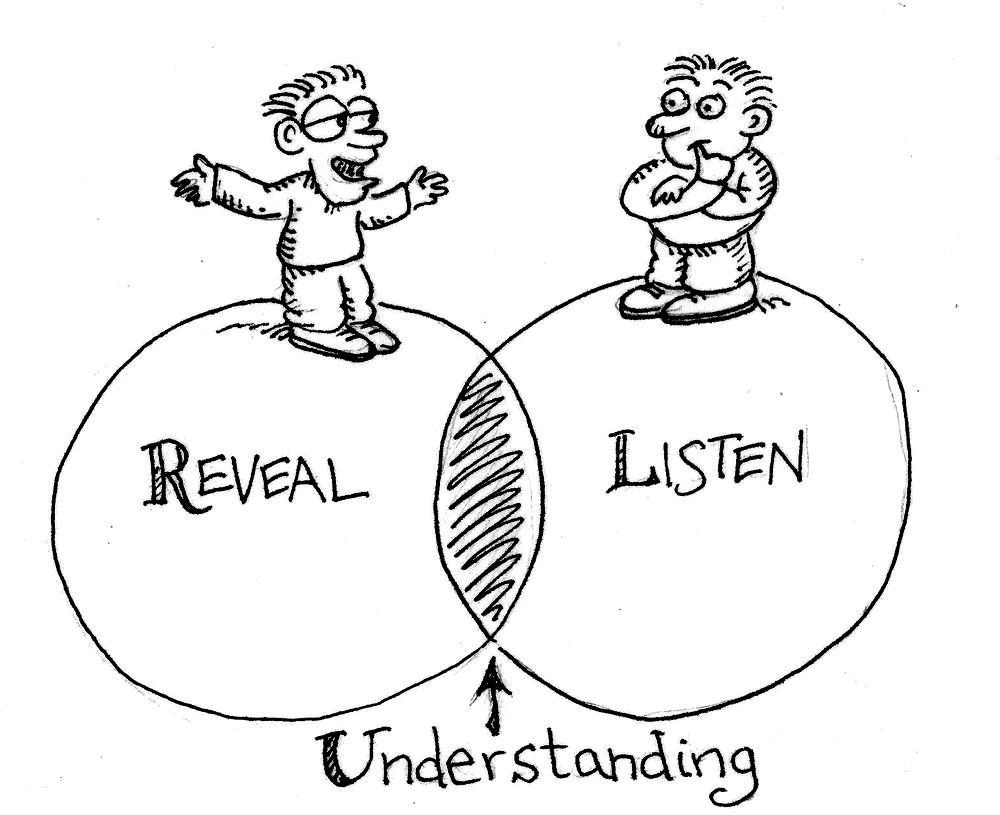
In tough times, it is important to feel understood and supported by others. Accepting understanding and support from loved ones and the environment can significantly improve our mood and help us cope with the challenges we face.
When we feel that people surround us with love, support, and understanding, we feel stronger and more capable of dealing with difficulties more efficiently. This can also reduce the levels of stress and anxiety we experience during tough times.
Therefore, when we face difficulties and challenges, it is important to turn to those whom we believe can help us and provide us with the necessary support and understanding. The ability to receive support and understanding during tough times is important for a healthy relationship system and promotes a sense of integration and security between us.